2026 Top Trends in Medical Implants You Should Know About?
The medical implants industry is rapidly evolving. Experts predict significant advancements in the coming years. Dr. Emily Thompson, a leading authority in orthopedic implants, states, "Innovation in medical implants will revolutionize patient care." Her insights emphasize the immense potential in this field.
Innovative technologies are shaping future medical implants. Companies are focusing on smart materials and bioengineering. These advancements aim to improve the integration of implants with human tissue. Personalized implants, tailored to individual patients, are also on the rise. This could lead to better outcomes in surgeries and treatments.
However, challenges remain. While the potential is vast, so are the risks. The integration of cutting-edge technology raises concerns about long-term effects. It is crucial to balance innovation with patient safety. As we approach 2026, the landscape of medical implants will continue to shift. Awareness of these trends is key for both professionals and patients alike.

Emerging Technologies in Medical Implant Design for 2026
The medical implant industry is undergoing transformative changes driven by emerging technologies. According to a report from Research and Markets, the global medical implants market is projected to reach USD 150 billion by 2026. This growth will be largely attributed to innovations in materials and design techniques.
3D printing is paving the way for personalized medical implants. It allows for the creation of devices tailored to individual anatomical needs. This technology enhances the fit and functionality of implants, leading to better patient outcomes. However, the challenge lies in the regulatory processes and the need for extensive testing to ensure safety and efficacy.
Biocompatible materials are also making strides. Materials such as hydrogels and biodegradable polymers show promise for various applications. They can reduce complications associated with traditional implants. However, the long-term effects of these newer materials remain semi-unknown, raising questions about their durability and integration within the body. Addressing these concerns will be crucial for widespread adoption in clinical settings.
Biocompatibility Advancements: Enhancing Patient Outcomes
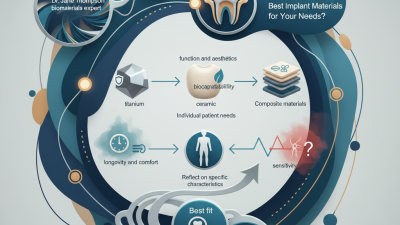
Recent advancements in biocompatibility are transforming the landscape of medical implants. These technologies focus on materials that safely interact with the human body. Improved biocompatibility reduces the risk of rejection and infection. This progress plays a crucial role in enhancing patient outcomes.
New materials are being developed to better match the biological environment. For instance, bioactive coatings promote tissue integration. These innovations lead to faster healing and improved functionality of implants. However, challenges remain in creating materials that are both durable and biocompatible. Testing and refinement are ongoing.
The connection between improved biocompatibility and patient satisfaction is significant. Patients report fewer complications and shorter recovery times. Nevertheless, ongoing research is critical to identify potential long-term effects. As the industry evolves, continuous feedback from patients and healthcare professionals will shape future developments. This complex journey reflects the necessity of collaboration in advancing medical technology.
Integration of Smart Implants with IoT for Real-Time Monitoring
The integration of smart implants with IoT technology is transforming healthcare. These implants can monitor real-time data, offering insights into a patient’s condition. For instance, a heart monitor implant can track heartbeats and alert healthcare providers about irregularities. Such information can lead to timely interventions, which are crucial for patient safety.
Tips: Always consult with healthcare professionals before considering smart implants. It’s essential to understand the various aspects of the technology. Be aware of potential risks, like data privacy issues.
Moreover, smart implants are not flawless. They require regular updates to maintain accuracy. Users may face challenges in adapting to these devices. Education plays a crucial role in ensuring that patients benefit fully from smart technology. Understanding how these implants work is key to maximizing their effectiveness.
Tips: Stay informed about new developments in smart implant technology. Regularly check in with your medical team for personalized advice.
2026 Trends in Medical Implants: Integration of Smart Implants with IoT for Real-Time Monitoring
Regulatory Changes Impacting the Future of Medical Implants
The landscape of medical implants is evolving rapidly due to regulatory changes. Recent reports indicate that regulatory bodies are increasingly emphasizing post-market surveillance. This shift aims to enhance patient safety and ensure the efficacy of new implants. For instance, the FDA now mandates comprehensive data tracking for devices approved through the 510(k) pathway. This shift is crucial as it allows for early detection of potential issues, which improves both safety and performance.
Another significant change involves the introduction of digital technologies in the regulatory process. The integration of AI and machine learning into regulatory frameworks could streamline how companies monitor and report device performance. A study from the Biomedical Engineering Society notes that incorporating real-time data analytics may reduce approval times by up to 30%. However, the reliance on technology raises questions about data privacy and security.
Moreover, regulatory changes may pose challenges for smaller manufacturers. They often lack the resources to adapt to evolving standards. This imbalance could lead to a market where only larger firms thrive, risking innovation. It's essential to balance rigorous safety standards with support for smaller companies, so diverse solutions remain available to patients. As the industry changes, continuous reflection on these impacts will be vital for fostering a supportive environment for advancements in medical implants.
2026 Top Trends in Medical Implants You Should Know About
| Trend |
Description |
Regulatory Impact |
Future Outlook |
| Biodegradable Implants |
Use of materials that can dissolve in the body, reducing the need for removal surgeries. |
Stricter guidelines for material biocompatibility and degradation rates. |
Increased adoption in orthopedic and cardiac procedures. |
| Smart Implants |
Implants equipped with sensors for real-time data monitoring. |
Emerging regulatory frameworks for digital health integrations. |
Potential for broader applications; enhanced patient outcomes through data. |
| 3D-Printed Implants |
Custom implants produced with 3D printing technology for individualized fit. |
Evolving standards for additive manufacturing processes and quality checks. |
Revolutionizing personalized medicine and surgical interventions. |
| Regenerative Medicine |
Implants that promote natural healing and tissue regeneration. |
Greater scrutiny on clinical trials and product claims for efficacy. |
Potential to change management of chronic conditions significantly. |
| Telemedicine Integration |
Support for remote monitoring and consultations with implant patients. |
Impacts on privacy regulations and data security measures. |
Enhanced follow-ups and patient engagement model. |
Sustainability Trends in the Development of Medical Implants
Sustainability is emerging as a critical focus in the medical implant sector. With environmental concerns rising, manufacturers are adopting eco-friendly practices. A report by the World Health Organization highlights that medical waste contributes to over 15% of total waste in healthcare. This statistic drives the need for sustainable solutions.
One pivotal trend is the use of biodegradable materials. Studies show that implants made from polylactic acid (PLA) reduce long-term environmental impact. They can safely decompose after their intended use. However, challenges remain. Manufacturing processes for these materials are still developing. Organizations must balance performance and sustainability.
Another trend is the shift towards recycling existing materials in implant production. A recent study indicates that recycled metals can be used safely in some implants. This practice has the potential to lower raw material usage significantly. However, ensuring the purity and safety of recycled materials poses ongoing hurdles. These aspects demand careful consideration alongside innovation. The future landscape of medical implants hinges on these sustainability efforts.