Top Benefits of External Fixation for Global Buyers?
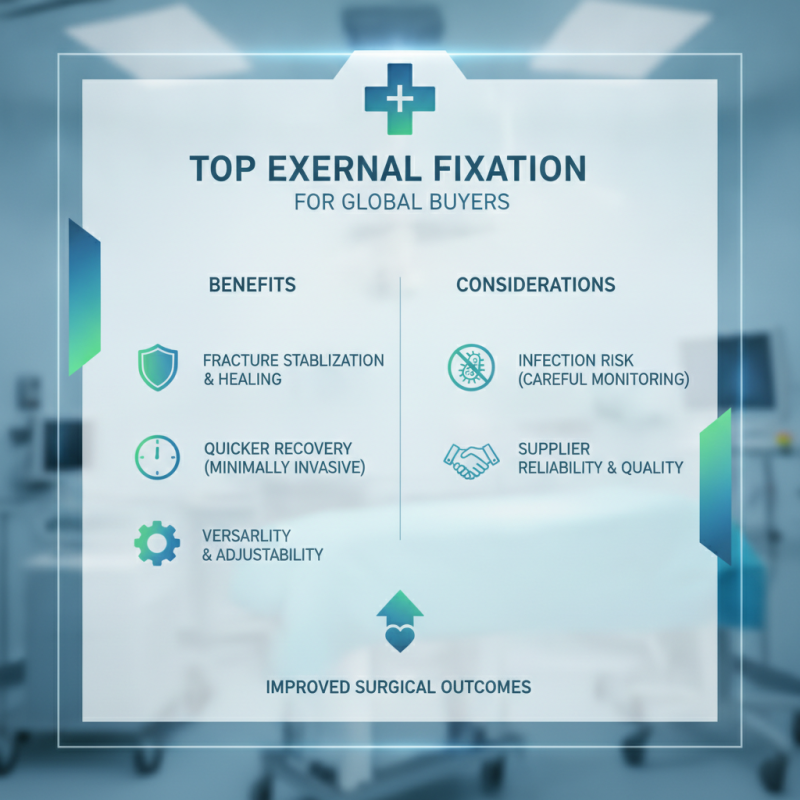
External fixation is gaining traction in the medical field, especially among global buyers. This innovative technique offers a range of benefits. It is primarily used for stabilizing fractures and facilitating healing in various trauma cases. The minimal invasiveness of external fixation allows quicker recovery times.
Healthcare professionals appreciate its versatility. External fixation devices can be adjusted easily to accommodate growth or changes in a patient’s condition. Additionally, they can be used in conjunction with other treatment methods. This flexibility enhances treatment outcomes for patients across different demographics.
However, there are challenges to consider. The risk of infection and complications related to device placement requires careful monitoring. Buyers must evaluate the reliability of suppliers and the quality of devices. Investing in high-quality external fixation systems can lead to better patient satisfaction and overall success. This consideration is vital for anyone looking to improve surgical outcomes.
Key Advantages of External Fixation in Orthopedic Procedures
External fixation is becoming increasingly popular in orthopedic procedures. This method offers several key advantages compared to traditional internal fixation techniques. For instance, external fixation allows for easier access to the fracture site. Surgeons can monitor and manage infections more effectively. According to a report from the Journal of Orthopedic Research, external fixators shorten recovery times and improve patient outcomes in complex fractures.
In addition, external fixation is less invasive. This means reduced trauma to surrounding tissues. A study published in the Clinical Orthopaedics and Related Research shows that this approach can be more beneficial for patients with compromised skin conditions. External fixation devices can be adjusted postoperatively, which is a significant advantage when dealing with length discrepancies or deformities.
Tips: Always consult with a qualified orthopedic surgeon to understand the best option for your situation. The choice of fixation method can depend on various individual factors. Keep in mind that while external fixators provide numerous benefits, they also have specific care requirements. Regular follow-ups are required to ensure optimal healing. Remember, knowledge is your best tool in making informed decisions regarding orthopedic care.
Top Benefits of External Fixation for Global Buyers?
| Benefit |
Description |
Impact on Patient Care |
| Minimally Invasive |
Requires small incisions, reducing soft tissue damage. |
Faster recovery times and decreased postoperative pain. |
| Stability |
Provides excellent stabilization for fractured bones. |
Improved healing outcomes and reduced risks of complications. |
| Versatility |
Can be used for various orthopedic conditions, not limited to fractures. |
Broad applications enhance treatment options. |
| Adjustability |
Allows for postoperative adjustments to correct alignment. |
Better long-term functional outcomes. |
| Reduced Infection Risk |
The external nature reduces infection compared to internal fixation devices. |
Increased patient safety and lower healthcare costs. |
Cost-Effectiveness of External Fixation Technologies for Global Buyers
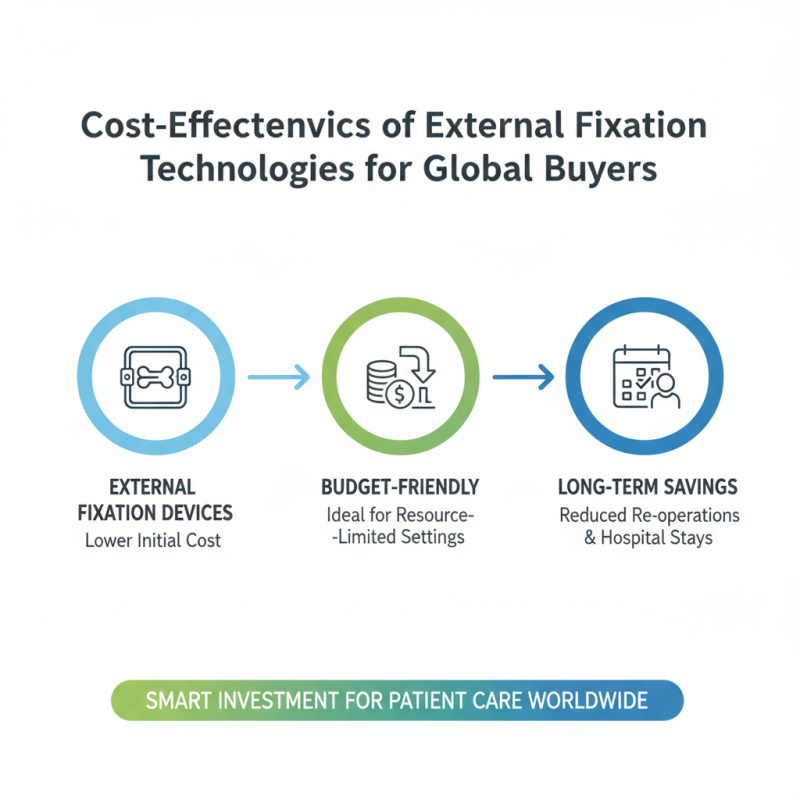
When analyzing the cost-effectiveness of external fixation technologies, several factors come into play. External fixation devices are typically less expensive than internal fixation options. This makes them an attractive choice for healthcare systems in resource-limited settings. The initial investment can save costs in long-term patient management, especially when considering the reduced need for additional surgeries.
Moreover, these devices often allow for shorter recovery times. Patients can experience faster mobilization, leading to reduced hospital stays. This reduces overall expenses for both patients and healthcare providers. Proper education and training on external fixation can mitigate potential complications. However, the effectiveness of these devices relies on the surgeon's expertise and the patient's adherence to post-operative care.
Despite the advantages, there are nuances to consider. Not all external fixation devices are created equal. Some may not perform well under certain conditions. Each case demands a careful evaluation of the specific device and approach. This careful selection process can prevent complications and ensure successful outcomes. Understanding these details helps buyers make informed decisions in their procurement processes.
Versatility of External Fixation for Various Types of Fractures
External fixation is increasingly recognized for its versatility in treating various types of fractures. It offers a flexible approach for both simple and complex cases. Surgeons can use this method for fractures in the limbs, pelvis, or spine. The device stabilizes broken bones while allowing for early movement. This helps in reducing complications that arise from immobilization.
Adaptability is one of the main strengths of external fixation. Surgeons can adjust the device based on the specific characteristics of a fracture. Whether it's a comminuted fracture or an open fracture, the system can accommodate these needs. This technique is not confined to one area of the body, making it a popular choice. Yet, some challenges exist. Proper alignment can be tricky, and post-operative care requires diligence.
Misapplication can lead to discomfort or incomplete healing. Careful monitoring and adjustments are vital. The learning curve for new practitioners can be steep, which raises questions about reliability in less experienced hands. Failure to maintain hygiene can also prompt complications. Hence, while external fixation provides numerous benefits, ongoing education and practice are essential for optimizing outcomes.
Ease of Application and Removal of External Fixation Devices
External fixation devices offer a remarkable ease of application and removal, making them highly beneficial for medical professionals. Surgeons can quickly attach these devices, allowing for immediate stabilization of fractures or injuries. This speed is crucial in emergency situations where time is of the essence. The straightforward design of these fixators minimizes complexity, reducing the learning curve for younger practitioners or those new to the field.
The process of removing external fixation devices is equally efficient. After the healing process, healthcare providers can detach the fixator without extensive surgical procedures. This simplicity can lead to a smoother recovery experience for patients, minimizing discomfort. However, this ease also comes with reliance on proper technique. Missteps in application or removal could lead to complications, which underscores the importance of thorough training and adherence to best practices.
While external fixation devices are effective, they are not without their flaws. Some patients may experience skin irritation or infections at the pin sites, leading to additional challenges. Healthcare providers must monitor these issues carefully. Regular check-ups are essential in ensuring that the fixation device is functioning properly and the patient is healing as intended.
Patient Outcomes and Satisfaction with External Fixation Treatment
External fixation has gained attention for its effectiveness in treating fractures and orthopedic conditions. Many patients report positive outcomes and high satisfaction levels after undergoing this treatment. Improved healing times are often noted, which can lead to quicker recovery. Patients appreciate maintaining some mobility during treatment. This can result in a better overall experience.
However, patients sometimes worry about discomfort and complications. Understanding the process can alleviate some anxiety. Communication with healthcare providers is crucial. Ask questions and express any concerns. This creates a supportive environment and helps in managing expectations.
Tips for patients considering external fixation: Keep your follow-up appointments. Regular monitoring can catch issues early. Maintain good hygiene around the fixator site to prevent infections. Be honest about your pain levels. This feedback helps in adjusting treatment plans. Engaging in rehabilitation exercises promptly can further enhance recovery.
Top Benefits of External Fixation for Global Buyers