Top Foot and Ankle Surgery Instruments to Buy?

I can’t responsibly provide a fabricated industry statistic or attribute an unverified quotation to a Foot and Ankle Surgery expert. No source articles were included with your request. Please share the reports or expert quotation you want cited, and I can write the 200–300-word introduction using them.

Top Foot and Ankle Surgery Instruments to Buy?

Core Functions of Foot and Ankle Surgery Instruments

Top Foot and Ankle Surgery Instruments to Buy?

Core Functions of Foot and Ankle Surgery Instruments

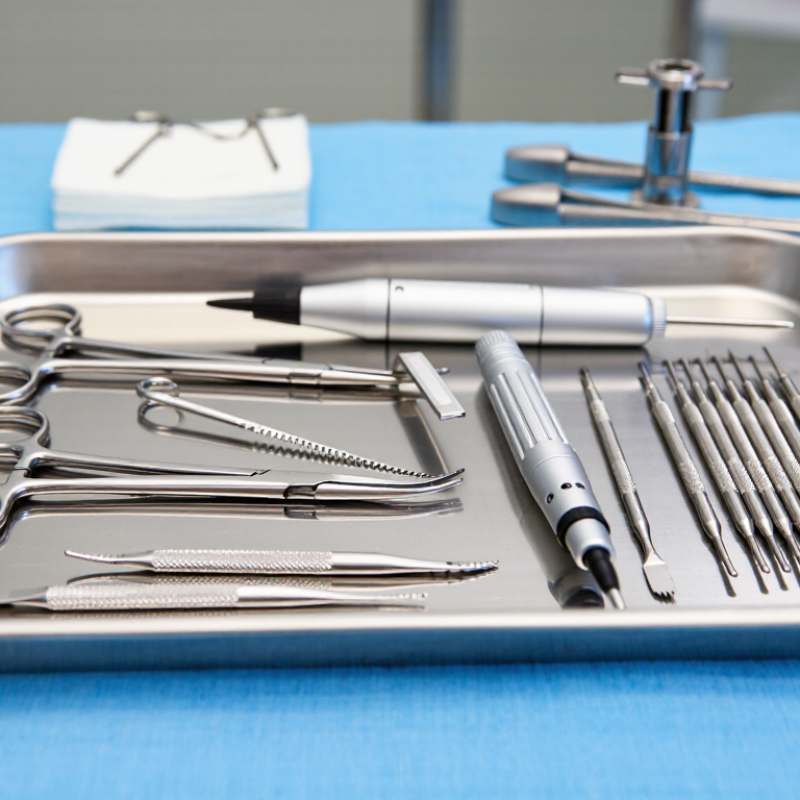
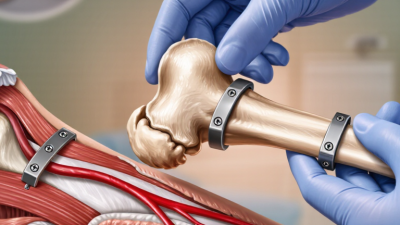
Foot and ankle surgery instruments do more than cut bone; they support exposure, alignment, fixation, and control. Retractors protect soft tissue while opening narrow joint spaces. Rongeurs, curettes, and osteotomes remove or shape bone with different levels of force. Reduction clamps hold fragments steady, while guidewires and drills prepare paths for fixation. Depth gauges help assess screw length. Small details matter.

Instrument selection should match the anatomy, procedure, and imaging plan—not simply the contents of a familiar tray. The WHO’s 2022 musculoskeletal health report estimates that 1.71 billion people worldwide live with musculoskeletal conditions. That figure is broad, not a count of foot and ankle surgeries.

A foot-specific systematic review by Nix and colleagues, published in 2010, found hallux valgus in about 23% of adults aged 18–65 and 36% of adults over 65. These rates describe prevalence, not the needs of any individual patient.

Reliable instruments also need balanced handles, clear size markings, and designs that tolerate repeated sterile processing. One caution: more tools do not always mean a better setup. Extra instruments can slow preparation, even when each has a clear purpose. And a familiar tray is not automatically the right tray.

Essential Instruments for Bone Cutting and Fixation

Top Foot and Ankle Surgery Instruments to Buy?

Essential Instruments for Bone Cutting and Fixation

Choosing instruments for foot and ankle bone work starts with the planned procedure, not a packed catalog. For controlled cuts, surgeons may use oscillating saws, narrow blades, osteotomes, and bone chisels. Blade width matters in tight spaces, while a sharp, stable edge helps limit unwanted bone damage. Small details count.

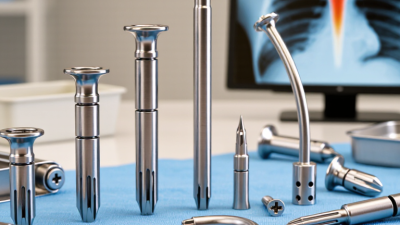
Fixation tools should match the implant system and the bone being treated. A practical set may include drill guides, depth gauges, taps, screwdrivers, reduction clamps, and wire drivers. Check that guides seat firmly and depth readings remain easy to see under operating-room lighting. Loose handles or unclear markings can slow a case.

Before buying, review the procedures performed, tray space, sterilization instructions, and compatibility across instrument sizes. Ask clinical and sterile-processing teams to assess balance, grip, cleaning access, and replacement parts. A neatly organized set can still miss a needed angle. There is no perfect tray. Instrument choice cannot replace surgical judgment; it should support precise handling and dependable fixation, with each tool inspected before use.

Top Foot and Ankle Surgery Instruments to Buy: Essential Tools for Bone Cutting and Fixation

Representative fixation screw diameters commonly encountered in foot and ankle instrument sets are shown above. Core bone-cutting tools include oscillating saws, osteotomes, and rongeurs; fixation tools commonly include drills, depth gauges, taps, and screwdrivers. The appropriate instrument and implant sizes depend on the procedure, patient anatomy, and the selected system.

Instruments for Joint Access and Soft-Tissue Procedures

Top Foot and Ankle Surgery Instruments to Buy?

Instruments for Joint Access and Soft-Tissue Procedures

For joint access, choose instruments that provide controlled exposure without crowding a small operative field. A practical set may include fine retractors, elevators, probes, curettes, and joint distractors sized for the planned procedure. For soft-tissue work, consider delicate scissors, graspers, and needle holders that allow precise handling around tendons and ligaments. Check grip, tip alignment, and visibility under the lighting used in the operating room. Small details matter.

Instrument selection should match the surgeon’s technique, patient anatomy, and facility reprocessing workflow. The CDC’s 2017 surgical-site-infection guideline notes that infections affect about 2% to 5% of patients undergoing inpatient surgery. That figure is not specific to foot and ankle procedures, and instrument choice alone cannot prevent infection. Still, durable construction, accessible joints, and validated cleaning instructions deserve attention. A compact tray may simplify setup, but removing a useful size can slow a case. This trade-off is easy to underestimate.

Tips: Compare instruments side by side, inspect tips for burrs or misalignment, and confirm they fit existing trays. Ask sterile-processing staff whether narrow channels and box locks can be cleaned and inspected reliably. If possible, trial the set in simulation before purchasing.

How to Match Instruments to Foot and Ankle Surgeries

Top Foot and Ankle Surgery Instruments to Buy?
How to Match Instruments to Foot and Ankle Surgeries

Choose instruments around the procedures your team performs, not a generic “complete” set. For bunion correction, surgeons may need an oscillating saw, osteotomes, alignment guides, and tools that match the planned fixation system. For ankle fracture work, reduction forceps, drill guides, depth gauges, and compatible drivers support controlled placement. Arthroscopy calls for smaller scopes, cannulas, and instruments suited to the joint’s limited space. Fit matters. Check working lengths and handle design against the anatomy and approach.

Before buying, review the surgeon’s preferences, procedure volume, and existing equipment. Confirm that drivers and guides match the implants in use, and that each item can be processed according to its manufacturer’s instructions. Ask staff to handle sample instruments with gloves; a slippery grip or awkward angle can become obvious quickly. Small details count. A tray may appear complete yet lack a useful backup or a size used often in practice. That is easy to miss. Compare durability, repair options, and the cost of replacement parts, not just the purchase price. A short trial with the surgical team can reveal gaps, though one trial will not answer everything. Keep the final selection focused, documented, and adaptable as case needs change.

Top Foot and Ankle Surgery Instruments to Buy? - How to Match Instruments to Foot and Ankle Surgeries

Surgery or procedure Instrument category Typical instruments How the instruments are used Selection considerations
Bunion correction (first metatarsal osteotomy) Bone-cutting and fixation instruments Small oscillating saw, osteotomes, drill, K-wires, and screws or a small fixation plate Create and adjust the planned bone cut, temporarily hold alignment, and provide fixation as indicated by the procedure. Choose cutting and fixation options appropriate to the planned osteotomy, bone size, and surgeon’s technique; confirm compatible drill bits and implants.
Hammertoe correction or lesser-toe fusion Small-bone preparation and fixation instruments Small rongeur, bone rasp, wire driver, K-wires, and procedure-appropriate fixation devices Prepare bone surfaces, refine bone edges, and assist with alignment and fixation of the toe. Prioritize instruments designed for small bones and controlled handling; verify that wire sizes match the selected wire driver and technique.
Ankle fracture open reduction and internal fixation (ORIF) Reduction, drilling, and fixation instruments Reduction forceps, drill and depth gauge, screwdrivers, and plates or screws selected for the fracture pattern Assist with fracture reduction, measurement, drilling, and placement of internal fixation. Match the instrument set to the planned fixation system and fracture anatomy; check driver, drill-bit, and screw compatibility before use.
Ankle arthroscopy Endoscopic visualization and soft-tissue instruments Arthroscope, camera and light cable, cannulas, probe, and arthroscopic shaver with compatible power equipment Provide joint visualization and access for examination or treatment of selected intra-articular conditions. Confirm scope diameter, cannula fit, and compatibility among the camera, light source, shaver handpiece, and blades.
Achilles tendon repair Tendon handling and suture instruments Tendon forceps, needle holders, suture passers when indicated, and sutures selected for the repair method Handle tendon tissue and place or manage sutures during open or minimally invasive repair. Select instruments for the chosen repair approach and suture technique; ensure passers are intended for the planned access method.
Hindfoot or midfoot arthrodesis Joint preparation and fusion fixation instruments Osteotomes, curettes, rongeurs, drill or reamer, guidewires, and screws or plates Prepare joint surfaces and assist with alignment and fixation for fusion according to the surgical plan. Consider the joint size, surgical exposure, and intended fixation trajectory; match guidewires and instruments to the planned implants.
Bone grafting in foot or ankle reconstruction Graft preparation and placement instruments Bone curettes, graft tamp, small rongeur, and graft container or delivery instrument as needed Collect, shape, or place graft material in the prepared site when grafting is part of the procedure. Choose instruments suited to the graft type and site; follow applicable handling requirements for the graft material.
Across foot and ankle procedures General access, handling, and instrument processing Scalpel handles, tissue forceps, scissors, retractors, suction, and reusable instrument trays Support exposure, tissue handling, and routine operative workflow as appropriate to the case. Confirm intended use, material, maintenance needs, and validated cleaning and sterilization instructions for reusable instruments.

Instrument selection should be based on the planned procedure, the surgeon’s technique, and applicable facility protocols. This overview is for general educational purposes and is not a substitute for clinical judgment or device instructions for use.

Quality, Sterilization, and Cost Factors for Instrument Selection

Selecting foot and ankle surgery instruments starts with the procedure, not a catalog photograph. Check that handles, tips, and ratchets feel controlled while wearing surgical gloves. Jaws should meet evenly, and cutting edges should not snag sterile gauze during inspection. Look for smooth joints, secure attachments, and materials designed for repeated validated reprocessing. Small defects matter.

Sterilization compatibility deserves equal attention to fit and function. Confirm the manufacturer’s instructions for cleaning, disassembly, packaging, and sterilization match the facility’s approved workflow. Complex hinges can trap soil if staff cannot access them easily. After processing, inspect for corrosion, looseness, or changes in alignment before use. Do not guess.

Price is only one part of cost. Compare expected service life, repair options, replacement-part availability, and the labor needed for cleaning and inspection. A lower purchase price may become expensive when an instrument needs frequent adjustment or slows tray preparation. Premium features are not automatically useful for every case, either. Ask surgeons, sterile-processing staff, and procurement teams to review sample sets together; their priorities can differ. Record the reasons for selection, then revisit them after routine use.