Why Are Medical Implants Essential for Modern Healthcare?
Medical implants have become a cornerstone of modern healthcare. They are crucial in improving patient outcomes and enhancing quality of life. Dr. Sarah Thompson, a leading expert in biomedical engineering, emphasizes, "Medical implants save lives by restoring function and promoting healing." This insight highlights the vital role these devices play in contemporary medicine.
In recent years, advancements in technology have revolutionized the medical implants industry. From joint replacements to cardiovascular devices, each implant is designed with precision. Patients now benefit from enhanced durability and biocompatibility. However, challenges remain, such as the risk of infection and the body's rejection of foreign materials. Continuous research is essential to address these concerns and improve patient safety.
While the impact of medical implants is significant, they also raise ethical questions. Accessibility and affordability are pressing issues. Not everyone can access these life-saving technologies. An ongoing dialogue is needed to ensure equitable healthcare solutions. By combining expertise and a commitment to innovation, the medical community can harness the full potential of medical implants for the betterment of all patients.

Importance of Medical Implants in Enhancing Patient Outcomes
Medical implants play a crucial role in modern healthcare by significantly enhancing patient outcomes. These devices are designed to replace, support, or improve the function of damaged body parts. For instance, joint implants can restore mobility to patients suffering from arthritis. This improvement can lead to better quality of life, allowing individuals to return to their daily activities with fewer restrictions.
In some cases, however, challenges remain. Not every patient responds well to implants, and complications can arise. Infections or rejection of materials may occur, leading to further investigations and procedures. This reflects the need for personalized solutions in healthcare. Medical professionals must weigh the benefits against potential risks. Ongoing research is essential to improve designs and materials used in implants, ensuring higher success rates for all patient demographics. The path forward is complex, with much to learn, but the potential gains for patients’ lives are enormous.
Importance of Medical Implants in Enhancing Patient Outcomes
Types of Medical Implants and Their Specific Functions
Medical implants play a vital role in modern healthcare by improving quality of life. There are various types of implants, each with unique functions. For instance, orthopedic implants, such as joint replacements, support mobility for individuals with arthritis. These devices enhance both movement and daily activities significantly.
Cardiac implants, including pacemakers, help regulate heart rhythm. They can prevent potentially dangerous complications, offering peace of mind. Similarly, dental implants restore function and aesthetics for patients with missing teeth. These implants enable better chewing and improve self-confidence, contributing to overall well-being.
When considering implants, it is essential to discuss all options with healthcare providers. Engage in conversations about potential risks and benefits. Understanding your specific health needs will guide you in making informed choices. Researching outcomes and success rates is also crucial. Seek feedback from those who have undergone similar procedures. This can provide practical insights into what to expect. Always be proactive in your health decisions.
Technological Advancements Driving Medical Implant Development
Medical implants play a crucial role in modern healthcare. Recent technological advancements have significantly enhanced their design and functionality. For instance, 3D printing allows for customized implants that fit patients perfectly. This adaptation reduces surgery times and improves recovery rates.
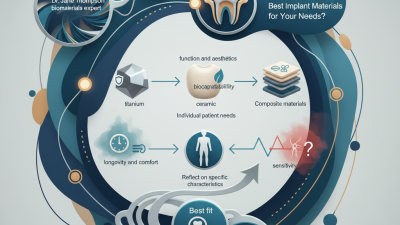
New materials are constantly being developed. Biocompatible materials minimize the risk of rejection and infections. They also enhance the longevity of implants, leading to better health outcomes for patients. As we evolve in our understanding of biomechanics, implants become more effective in mimicking natural body functions. Researchers are exploring smart implants equipped with sensors to monitor health continuously.
Consider discussing with your healthcare provider the implications of new technologies. Understand that while advancements promise benefits, they also carry risks. Each technology is not universal; it may not suit everyone. Ensure you stay informed about the development of implants to make educated decisions about your health.
Why Are Medical Implants Essential for Modern Healthcare?
| Implant Type |
Common Uses |
Materials Used |
Benefits |
Technological Advances |
| Pacemakers |
Heartbeat regulation |
Titanium, silicone |
Improved quality of life, longevity |
Wireless technology, remote monitoring |
| Orthopedic Implants |
Bone fractures, joint replacement |
Stainless steel, titanium, polymers |
Pain relief, restored mobility |
3D printing, bio-compatible materials |
| Dental Implants |
Tooth replacement |
Titanium, zirconia |
Natural appearance, durability |
Digital scanning, guided surgery |
| Neurostimulators |
Chronic pain management, epilepsy |
Titanium, silicon |
Reduced pain, improved quality of life |
Smart technology, adaptive stimulation |
Challenges and Risks Associated with Medical Implant Procedures
The use of medical implants has revolutionized modern healthcare, but their procedures come with challenges. Complications can arise during surgeries.
According to data from the World Health Organization, surgical site infections occur in 3-15% of all surgical patients. This highlights a significant risk in the implant process.
Infection can lead to serious consequences, including prolonged hospital stays or even the need for additional surgeries.
Patient-specific factors also contribute to risks. Obesity, diabetes, and age can affect healing. A study by the American Journal of Surgery found that patients with diabetes faced a 50% higher risk of complications following implant surgery.
Surgeons must evaluate each patient thoroughly. This includes reviewing medical histories and assessing lifestyle factors to minimize potential risks.
Material rejection is another concern. The body can sometimes reject implants due to allergies or reactions. The Journal of Biomedical Materials Research indicates that failure rates can reach up to 10% for specific implants.
This emphasizes the importance of selecting biocompatible materials. Ongoing research focuses on improving implant materials to reduce rejection rates and enhance success in procedures.
The necessity of thorough pre-surgical evaluation cannot be overstated. Each factor must be considered for optimal outcomes.
Future Trends in Medical Implants and Healthcare Integration
The future of medical implants is pivotal to enhancing patient care. Innovations in materials and technology are driving new possibilities. Biocompatible materials will become commonplace, allowing for safer and longer-lasting implants. Advanced sensors will enable real-time monitoring, providing valuable data to healthcare professionals. This integration makes implants more than passive devices; they become active participants in healthcare.
However, challenges remain. There are ethical concerns about data privacy, especially with interconnected devices. Furthermore, the complexity of integration demands rigorous testing. Ensuring the reliability and safety of these smart implants is crucial. Healthcare providers must be trained to interpret the data effectively.
As we progress, patient feedback will shape the development of future implants. Understanding user experiences is essential for improvement. This collaborative approach can foster better relationships between patients and providers. While optimism is high, caution must be exercised to ensure that advancements truly enhance patient outcomes.