2026 Best Fracture Fixation Systems for Global Buyers
Fracture Fixation is not a one-size-fits-all purchase. Global buyers must weigh fracture pattern, bone quality, surgical workflow, and after-sales support. The stakes are substantial: the World Health Organization estimates that 1.71 billion people live with musculoskeletal conditions, while Global Burden of Disease research estimated 178 million new fractures worldwide in 2019. These figures describe different health measures, but together they show why dependable trauma care matters.
Evidence matters. Professor Mohit Bhandari, an orthopedic trauma researcher, has emphasized through his clinical research the need to judge treatment by reliable evidence and meaningful patient outcomes—not by device features alone. That is a useful lens for comparing plates, screws, intramedullary nails, and external fixation systems. A polished catalogue cannot answer every question. Buyers should examine clinical data, material specifications, instrument compatibility, sterilization requirements, training, and the manufacturer’s ability to maintain supply. Details count.
This guide to the 2026 best Fracture Fixation systems is designed to help procurement teams compare options with care. It considers design, usability, evidence, and practical purchasing factors rather than promising a single “best” device for every hospital. Some specifications are difficult to compare across manufacturers; that limitation deserves attention, not gloss. Clinical suitability remains a decision for qualified professionals, informed by patient needs and local practice.
What Fracture Fixation Systems Are and How They Support Bone Healing
2026 Best Fracture Fixation Systems for Global Buyers
What Fracture Fixation Systems Are and How They Support Bone Healing
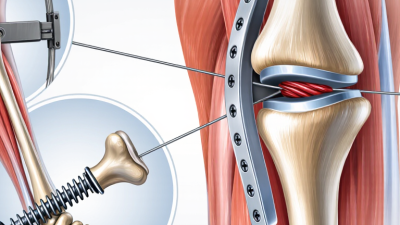
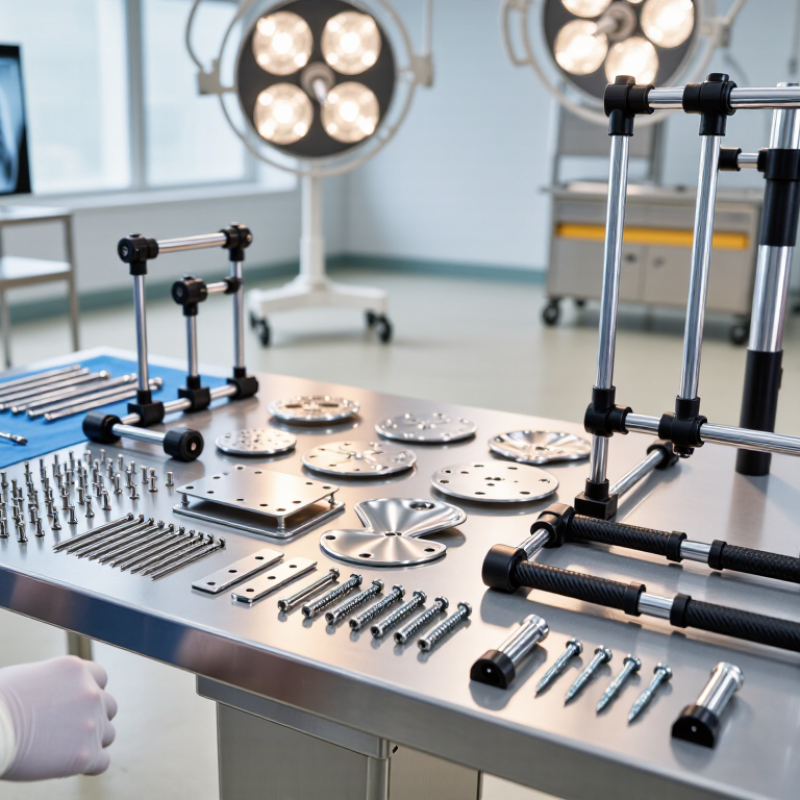
Fracture fixation systems are medical devices that hold broken bone fragments in a planned position while healing progresses. Common options include plates and screws placed along the bone, rods inserted into its central canal, and external frames connected by pins. The choice depends on the fracture’s location and shape, bone quality, soft-tissue condition, and the patient’s needs. Fit matters.
Stable alignment helps bone repair while supporting safe movement when clinically appropriate. With some fractures, controlled motion encourages callus formation; other patterns need firmer stability.
The 2019 Global Burden of Disease study, published in The Lancet Healthy Longevity, estimated 178 million new fractures worldwide that year and 455 million prevalent fracture cases. These figures show the scale of need, not a forecast for any single hospital or device.
A useful comparison looks beyond the implant itself: material, configuration, imaging visibility, instrument requirements, and the team’s training all affect practical use. A plate must sit securely against the bone; a nail must match the canal and fracture anatomy.
No system guarantees healing. Infection, poor blood supply, smoking, and severe bone loss can complicate recovery. Even experienced teams must weigh trade-offs, and evidence from one fracture type may not apply to another.
Major Types of Fixation Systems and Their Clinical Applications
Fracture fixation systems differ in how they control alignment, rotation, and loading. Plates and screws suit many fractures near joints, where surgeons need precise reduction and stable fragment control. Locking plates can help in osteoporotic bone, though stability still depends on fracture pattern and placement. Intramedullary nails are commonly used for long-bone shaft fractures, such as those of the femur or tibia. They sit inside the bone’s canal and can support earlier movement when clinically appropriate. Fit matters.
External fixation uses pins connected to an outer frame. It can provide temporary or definitive stability when soft tissues are badly injured or repeated access is needed. Wires and small screws may support selected hand, wrist, or small-bone fractures. The Global Burden of Disease 2019 analysis estimated 178 million new fractures worldwide in 2019, underscoring the varied clinical needs across regions. The categories look neat on paper; real fractures rarely do.
For context, the World Health Organization’s Global Status Report on Road Safety 2023 estimated 1.19 million road deaths annually and 20–50 million nonfatal injuries. These figures describe road trauma, not fracture cases specifically. For global buyers, system choice should therefore reflect trained-user availability, imaging access, sterilization capacity, and follow-up needs—not just implant price. Evidence and local surgical judgment remain essential.
Key Materials, Components, and Design Features
For 2026 sourcing, compare fixation systems by material traceability, component range, and intended fracture pattern—not by catalog breadth alone. The Global Burden of Disease 2019 study estimated 178 million new fractures worldwide that year, underscoring the need for dependable, adaptable fixation options. (Lancet Healthy Longevity, 2021.) Small details matter.
Common choices include implant-grade stainless steel and titanium alloys. ISO 5832-1 specifies wrought stainless steel for surgical implants; ISO 5832-3 covers wrought titanium-6aluminium-4vanadium alloy. Buyers should request material certificates and verify that coatings, surface finishes, and manufacturing records match the supplied device. Material names alone are not enough.
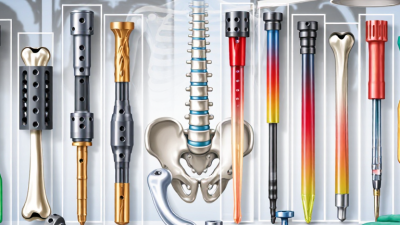
Assess the full construct: plates and locking screws, intramedullary nails with interlocking screws, and the instruments needed for insertion. Plate contour, screw trajectories, nail diameter options, and hole spacing affect fit and surgical flexibility. Check compatibility across components, sterilization information, and packaging details. A system with many options may still be difficult to use if its instruments are inconsistent. That trade-off deserves a closer look.
Representative Elastic Modulus of Fracture Fixation Materials
Elastic modulus indicates material stiffness. These approximate values show how common fixation materials compare with cortical bone; actual values vary by alloy, processing, and measurement direction. Lower stiffness alone does not determine which fixation system is best.
Design context: Plates, screws, and intramedullary nails are commonly made from titanium alloys or stainless steel. Locking screws can create a fixed-angle construct, while plate geometry and screw configuration influence stability and load sharing.
How Global Buyers Can Compare Safety, Quality, and Compatibility
For global buyers, a fracture fixation system must fit local clinical needs, not just a product catalogue. Compare plate geometry, screw diameter, length options, and the instruments required for placement. Small mismatches matter. A screw may appear compatible yet differ in thread design or locking interface. Request dimensional drawings and test the full instrument set against the implant before making purchasing decisions.
Safety and quality depend on evidence, not polished claims. Review material specifications, manufacturing controls, lot traceability, and validated sterilization information. Ask for fatigue and mechanical testing relevant to the intended fixation use. Packaging deserves attention too: seals, labels, and storage conditions should remain clear through shipping and handling. Documentation can look complete but still leave practical questions unanswered. That is worth challenging.
Compatibility also includes the realities of the operating room. Check whether instruments support the system’s full range of sizes, whether imaging clearly shows the implant, and whether staff can manage setup without extra steps. Consider surgeon feedback from representative cases, while recognizing that preferences vary. A spreadsheet cannot capture every detail. Request samples or a structured technical review where feasible, then record unresolved concerns before comparing suppliers.
Regulatory, Supply, and Procurement Considerations for 2026
Global buyers evaluating fracture fixation systems in 2026 should begin with evidence, not catalog claims. Confirm the device’s intended use, registration status, labeling language, and required certificates in each destination market. Requirements differ, and approval in one region does not automatically establish eligibility elsewhere. Ask suppliers for current technical documentation, sterilization validation, lot-level traceability, and clear change-notification procedures. Check that package labels match submitted records. Small mismatch. Big delay. A valid certificate may still be insufficient for a specific hospital tender, so verify requirements with qualified local regulatory professionals.
Procurement teams should also examine supply reliability beyond quoted prices. Request realistic lead times, minimum order quantities, shelf-life details, and contingency plans for material or shipping disruptions. Review how suppliers manage backorders and communicate production changes. If a system includes multiple implant sizes or instruments, confirm that compatible components can be replenished together. Forecasting is never exact; even experienced teams can overestimate demand. Compare supplier commitments against documented production capacity and recent delivery performance, rather than relying on assurances alone. Keep evaluation records consistent across vendors, including the criteria used for regulatory fit, quality evidence, and continuity of supply.