Orthopedic Care products are more than supports and braces. They help people move through daily life, from a painful first step to a return to sport. The need is substantial: the World Health Organization’s 2022 musculoskeletal health report estimates that about 1.71 billion people live with musculoskeletal conditions worldwide. That figure describes a broad range of conditions, not demand for any single product.
The right choice depends on the person, the diagnosis, and professional advice. A knee brace may steady a joint; a walker can make a short hallway safer; a carefully fitted insole may ease pressure under the foot. Small details matter. Fit, comfort, material, and ease of use can determine whether a product helps in real life.
This guide introduces ten common types of Orthopedic Care products, including braces, orthoses, mobility aids, and rehabilitation equipment. It draws on established health guidance and product functions rather than treating any item as a cure. One important limitation: no source article or verifiable expert quotation was provided, so I have not invented a quote or attributed one to a named specialist. A trusted clinician can help match a product to an individual’s needs. Comfort is useful, but it is not a diagnosis.
What Are the Top 10 Types of Orthopedic Care Products?
Defining the Top 10 Orthopedic Care Products for 1.71 Billion Patients
The World Health Organization estimates that 1.71 billion people live with musculoskeletal conditions worldwide. That figure makes orthopedic care a daily need, not a niche purchase. The Global Burden of Disease 2019 study, published in The Lancet Rheumatology, identifies low back pain as a leading cause of disability. Product selection should reflect diagnosis, mobility, skin condition, and clinical advice.
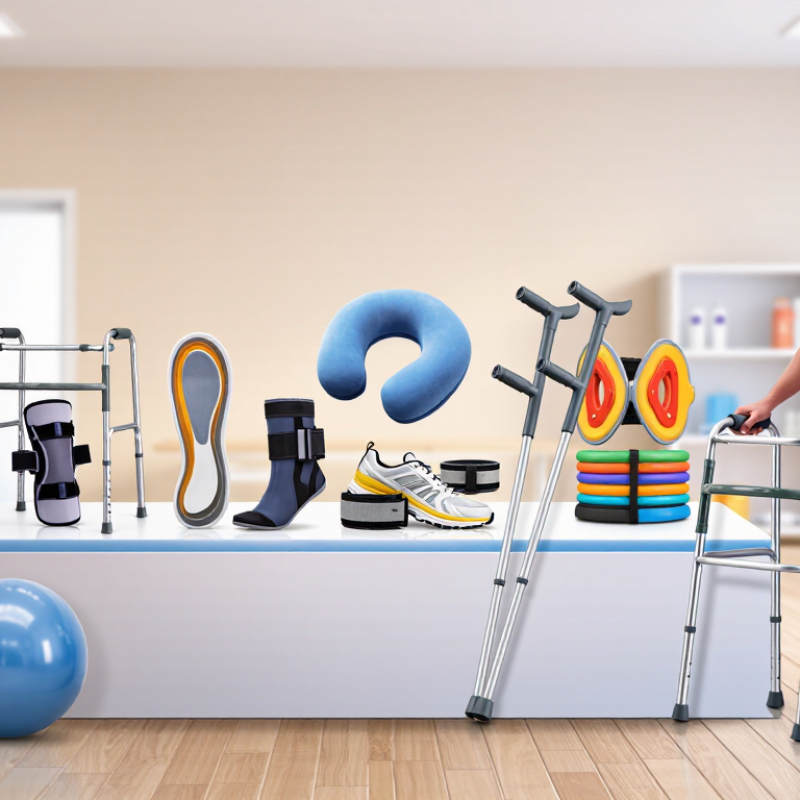
The ten core categories include knee and ankle braces, spinal supports, wrist and elbow supports, foot orthotics, compression garments, casts and splints, crutches, canes, walkers, and wheelchairs. Rehabilitation tools, such as exercise bands and balance devices, are often classified separately. A fitted orthosis can limit unwanted movement. It cannot correct every structural problem. Small details matter, too. Poor sizing may cause rubbing, heat, or restricted circulation.
The WHO World Report on Ageing and Health emphasizes functional ability and safe mobility. This supports demand for walking aids and seating systems after injury, surgery, or age-related decline. Handle height, weight limits, washable materials, and pressure relief deserve careful checking. The ranking is imperfect. A teenager with a fracture needs different support from an older adult with arthritis. Clinicians should review fit, pain, circulation, and walking patterns. Market growth is not medical proof. Real-world comfort and follow-up matter more.
A practical overview of commonly used orthopedic care product categories for musculoskeletal support, protection, rehabilitation, and mobility.
| Rank | Orthopedic Care Product Type | Primary Function | Common Body Areas | Typical Indications | Typical Construction | Key Selection Considerations |
|---|---|---|---|---|---|---|
| 1 | Knee Braces and Supports | Stabilize the knee, limit unwanted movement, and assist load distribution. | Knee and surrounding soft tissues | Ligament injuries, osteoarthritis, patellar tracking problems, and post-operative protection. | Neoprene or breathable textiles, hinges, straps, and molded or semi-rigid panels. | Required stability level, range-of-motion control, fit, skin comfort, and clinician recommendations. |
| 2 | Ankle-Foot Orthoses and Ankle Braces | Support ankle alignment and help control foot position during standing and walking. | Ankle, foot, and lower leg | Sprains, foot drop, instability, tendon disorders, and neurological gait problems. | Thermoplastic shells, carbon-fiber composites, fabric sleeves, straps, and padded liners. | Shoe compatibility, prescribed motion limits, weight, pressure distribution, and gait requirements. |
| 3 | Wrist and Hand Orthoses | Reduce painful motion, support alignment, and protect healing tissues. | Wrist, thumb, fingers, and hand | Carpal tunnel symptoms, tendon injuries, arthritis, fractures, and post-surgical recovery. | Moldable aluminum stays, thermoplastic materials, elastic fabric, foam, and hook-and-loop closures. | Which joints must remain mobile, hand dominance, dexterity needs, swelling, and wearing schedule. |
| 4 | Back and Lumbar Supports | Provide external support, proprioceptive feedback, and temporary movement assistance. | Lower back, lumbar spine, and sacroiliac region | Short-term low-back pain, lifting-related strain, spinal instability, and selected post-operative needs. | Elastic panels, breathable textiles, stays, abdominal closures, and adjustable compression straps. | Correct sizing, comfort during sitting, breathing freedom, skin tolerance, and medical guidance. |
| 5 | Cervical Collars and Neck Supports | Limit selected neck movements and help support the cervical region. | Neck and upper cervical spine | Neck strain, cervical injuries, post-operative care, and emergency immobilization when prescribed. | Foam, molded plastic, adjustable closures, chin supports, and washable covers. | Correct height, airway comfort, skin inspection, prescribed duration, and professional fitting. |
| 6 | Compression Garments | Apply graduated or localized pressure to assist venous and lymphatic fluid management. | Legs, arms, feet, and hands | Edema, chronic venous disease, lymphedema, and post-procedural swelling management. | Elastic knitted fabrics with defined compression classes and anatomical shaping. | Prescribed compression level, limb measurements, circulation status, donning ability, and skin condition. |
| 7 | Plaster and Synthetic Cast Systems | Immobilize injured bones and joints to support healing. | Arms, wrists, legs, ankles, and feet | Fractures, severe sprains, corrective procedures, and selected post-operative conditions. | Plaster of Paris or fiberglass resin over padding and protective stockinette. | Neurovascular status, swelling allowance, waterproofing needs, cast integrity, and follow-up schedule. |
| 8 | Splints and Immobilizers | Protect an injured area while allowing adjustability for swelling and clinical inspection. | Wrist, hand, finger, knee, ankle, and elbow | Acute injuries, fractures, tendon repairs, arthritis flares, and temporary immobilization. | Foam padding, aluminum or thermoplastic stays, rigid shells, straps, and breathable fabrics. | Adjustability, pressure points, swelling changes, joint position, and the required level of rigidity. |
| 9 | Mobility Aids | Improve balance, reduce weight-bearing demands, and support independent movement. | Whole-body mobility; upper and lower limbs | Post-operative recovery, fractures, arthritis, weakness, balance impairment, and chronic disability. | Aluminum or steel frames, rubber tips, wheels, handgrips, seats, and adjustable height mechanisms. | Correct height, weight capacity, terrain, turning space, hand strength, and gait-training requirements. |
| 10 | Therapeutic Hot and Cold Therapy Products | Temporarily reduce pain, swelling, muscle spasm, and stiffness through controlled temperature exposure. | Joints, muscles, tendons, and soft tissues | Acute injuries, post-exercise soreness, arthritis symptoms, soft-tissue strain, and rehabilitation. | Reusable gel packs, insulated wraps, thermal covers, heating elements, and adjustable fasteners. | Temperature control, treatment duration, skin sensation, circulation, swelling stage, and burn or cold-injury prevention. |
Clinical note: Product selection should be based on the injury, diagnosis, functional goal, fit, skin condition, circulation, and professional assessment. The figure of approximately 1.71 billion people refers to the global burden of musculoskeletal conditions reported by the World Health Organization.