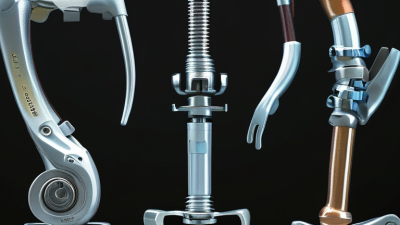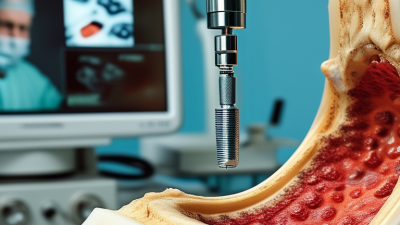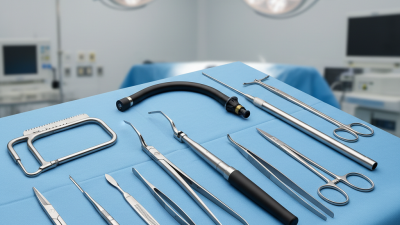
Choosing a certified supplier for Surgical Instruments is not merely a purchasing preference. It is a practical safeguard for patients, surgeons, and healthcare teams.
W. Edwards Deming, a leading quality-management authority whose principles influence medical-device manufacturing, said, “Quality comes not from inspection, but from the improvement of the production process.” This idea explains why certification matters before an instrument reaches the operating room. A reliable supplier should control materials, machining, cleaning, packaging, and documentation through a consistent system. Look for evidence such as ISO 13485 certification, traceable batch records, material certificates, and validated sterilization information. These details may seem administrative. They protect real procedures.
Consider a surgical clamp with a misaligned jaw or a retractor with a rough edge. Small defects can interrupt a procedure, damage tissue, or increase replacement costs. Certified suppliers usually maintain defined inspections and corrective-action processes. They can also explain where an instrument was produced and how its quality was verified. That accountability supports safer decisions.
Certification is not magic. It does not eliminate every manufacturing mistake. Buyers still need to review audit history, product specifications, surgeon feedback, and after-sales support. I have seen purchasing teams focus too heavily on price and overlook repair response times. That choice can become expensive.
A stronger decision examines both documents and daily performance. The best supplier offers dependable Surgical Instruments, clear communication, and honest limitations. Reliability is built over time, not claimed in one certificate.

A certified surgical instrument supplier can show how quality is controlled, not merely promised. Certification usually involves an independent audit of documented processes, staff training, risk management, and corrective actions. The supplier should also provide traceability for each instrument, from raw material records to final inspection. That detail matters when a clamp later requires investigation.
Look for current certificates, clear scope, and recognized standards. The certificate should match the supplier’s actual activities, such as manufacturing, inspection, packaging, or distribution. Ask how materials are verified, how dimensions are measured, and how inspection equipment is calibrated. Experienced suppliers can explain these steps without vague language. They should also maintain batch records, manage complaints, and respond to nonconforming products through documented procedures.
A certificate is evidence, not a guarantee. Audits can miss occasional mistakes, and paperwork may not reveal every handling problem. This is where practical judgment matters. Request sample inspection reports, production records, and recent corrective-action examples when appropriate. Check whether protective packaging prevents scratches, bent tips, or contamination during transport.
Staff should understand instrument function, not only paperwork. A supplier may meet certification requirements yet communicate poorly or delay responses. That weakness deserves attention. Reliable cooperation is part of quality, although it is harder to measure than a certificate.

Why Buy Surgical Instruments from Certified Suppliers?
Certification gives buyers evidence that surgical instruments follow controlled quality and safety processes. It is more than a decorative certificate. A credible supplier can show material records, inspection results, calibration logs, and traceability for each production batch. These records help confirm that stainless steel meets stated requirements and that dimensions remain within approved tolerances.
In practice, small details matter. Hinges should move smoothly without grinding. Serrations need clean, even edges. Surfaces should be polished, free from pits, and compatible with approved cleaning and sterilization procedures. Certification also indicates that procedures are regularly reviewed, measured, and improved. Still, certification does not make every instrument perfect. Mistakes can happen. That is why buyers should check the certificate’s scope, validity, issuing body, and connection to the actual manufacturing site.
Tips: Ask for batch traceability, inspection reports, and care instructions. Verify calibration dates. Examine sample instruments under bright light. Request clarification when documents look vague.
Reliable suppliers welcome reasonable questions. They can explain how nonconforming instruments are isolated, investigated, and replaced. Their records should connect the finished instrument to materials, inspections, packaging, and shipment details. Independent testing may provide added confidence for critical features, such as jaw alignment or cutting performance. I would not rely on a logo alone. A certificate can be outdated, limited, or misunderstood. Careful review remains necessary, even when the paperwork appears professional.
| Verification Dimension | Relevant Standard or Requirement | What Certification or Audit Verifies | Typical Objective Evidence | Quality and Safety Value |
|---|---|---|---|---|
| Quality management system | ISO 13485:2016 | A documented medical-device quality management system covering design, production, purchasing, inspection, corrective action, and record control. | Valid certificate, controlled procedures, internal-audit records, training records, and corrective-action documentation. | Creates repeatable processes and makes quality issues easier to identify, investigate, and correct. |
| Material selection and composition | ISO 7153-1; ASTM F899 | Appropriate metallic materials are selected for surgical instruments, with material specifications and relevant mechanical or corrosion-resistance requirements defined. | Material certificates, supplier declarations, heat or lot records, and incoming-material inspection results. | Helps reduce risks related to unsuitable alloys, corrosion, breakage, staining, or inconsistent instrument performance. |
| Manufacturing consistency | ISO 13485:2016 | Critical manufacturing steps are documented, controlled, and performed using approved equipment, specifications, and inspection methods. | Validated process records, equipment-maintenance logs, inspection plans, calibration certificates, and batch documentation. | Improves dimensional accuracy, alignment, cutting performance, surface finish, and consistency between production lots. |
| Cleaning and reprocessing instructions | ISO 17664-1:2021 | Reusable instruments are assessed for applicable cleaning, disinfection, inspection, packaging, sterilization, and storage instructions. | Validated or documented reprocessing instructions, compatibility information, inspection criteria, and limitations on repeated use. | Supports effective reprocessing and helps prevent residues, contamination, corrosion, and avoidable damage during reuse. |
| Sterilization process control | ISO 11135; ISO 11137; ISO 17665 | Where applicable, sterilization processes such as ethylene oxide, radiation, or moist heat are developed, validated, and routinely controlled. | Process-validation reports, routine monitoring records, sterilization-cycle data, and nonconformance investigations. | Provides documented evidence that the specified sterilization process can achieve its intended level of microbial reduction. |
| Biological safety of patient-contacting materials | ISO 10993 series | Biological evaluation is planned according to the instrument’s materials, contact type, duration, and intended clinical use. | Biological-evaluation plan, risk assessment, material information, and applicable test or justification reports. | Helps assess potential biological hazards such as irritation, sensitization, cytotoxicity, or other material-related risks. |
| Risk management | ISO 14971:2019 | Product and process risks are identified, evaluated, controlled, and reviewed throughout the product life cycle. | Risk-management file, hazard analysis, control measures, verification records, and post-market feedback review. | Connects design and manufacturing controls to foreseeable hazards, including breakage, malfunction, contamination, and misuse. |
| Traceability and recall readiness | ISO 13485:2016 | Applicable products, materials, suppliers, and production records can be traced through defined identification and record-retention systems. | Lot or serial-number records, certificates of conformity, shipment records, complaint files, and recall procedures. | Enables faster investigation, targeted corrective action, and more effective product withdrawal when a problem is identified. |
| Supplier and subcontractor control | ISO 13485:2016 | Critical external providers are evaluated and monitored according to the effect of their products or services on instrument quality. | Approved-supplier lists, supplier audits, purchasing specifications, incoming inspection results, and performance reviews. | Reduces variation in outsourced processes, raw materials, finishing, packaging, and other quality-critical services. |
| Regulatory conformity assessment | Applicable national or regional medical-device regulations | The supplier’s applicable products and quality system have undergone the conformity assessment required for the intended market. | Current regulatory certificates, declarations of conformity, technical documentation references, and product classification records. | Provides evidence that the supplier has addressed defined regulatory requirements for safety, performance, labeling, and documentation. |
| Post-market monitoring and complaints | ISO 13485:2016; ISO 14971:2019 | Customer complaints, adverse events, returns, and performance feedback are recorded, assessed, and used to improve controls. | Complaint-handling procedure, trend reports, investigation records, corrective and preventive actions, and field-safety procedures. | Helps detect recurring defects or emerging risks after products enter clinical use. |
| Important: Certification generally verifies that defined management systems, processes, and documentation meet applicable requirements. It does not mean that every individual instrument is defect-free or that certification replaces incoming inspection, product verification, or proper cleaning and sterilization practices. | ||||
Traceability matters when a surgical instrument moves from a supplier’s warehouse to a sterile field. A certified supplier should provide batch numbers, serial numbers, material details, manufacturing records, and certificates of conformity. These records help hospitals verify what they bought and where it has been used. They also support faster, more accurate responses when damage, contamination, or a recall occurs.
The World Health Organization’s Global Patient Safety Action Plan 2021–2030 estimates that one in ten patients experiences harm during healthcare. More than half of this harm is considered preventable. Instrument traceability cannot solve every safety problem. It can, however, reduce uncertainty. The FDA’s Unique Device Identification framework also shows why standardized device identifiers matter. They connect product labels with information in a searchable database. That connection can expose missing records, inconsistent descriptions, or unclear ownership.
Tips: Request traceability documents before purchase, not after delivery. Check whether each instrument has a readable identifier. Match the certificate with the packing list and inspection record. Keep digital records linked to sterilization cycles and maintenance history. Ask difficult questions about subcontracted manufacturing. A low price may hide weak documentation. Even certified systems can fail when staff skip scans or enter incorrect numbers. That uncomfortable gap deserves review. A perfect paper trail is not the same as reliable practice.
Why Buy Surgical Instruments from Certified Suppliers?
Certified suppliers make compliance visible in daily practice. They provide controlled documentation, traceable lot numbers, material records, and inspection results. When an instrument arrives with a damaged package, staff can identify the shipment quickly. That response protects patients and supports a defensible investigation. ISO 13485 certification also indicates a quality management system for medical devices. However, certification must match the supplier’s actual scope and current operations.
Accountability depends on evidence, not promises. A reliable supplier should provide sterilization documentation where applicable, conformity records, complaint procedures, and corrective action reports. These records connect purchasing decisions with operating-room controls. The World Health Organization reports that one in ten patients experiences harm in healthcare, and over half of this harm is preventable. Instrument quality cannot solve every safety problem. It can reduce avoidable uncertainty.
The details matter. Ask for certificate numbers, audit dates, product specifications, and change-control history. Check whether the documents describe the exact instrument category supplied. A certificate alone is not a magic shield. In practice, teams may overlook an expired document or accept a generic declaration. That weakness deserves honest review. Strong suppliers welcome verification, retain records, and respond clearly when a defect appears. Their value is practical: fewer undocumented decisions, faster traceability, and stronger accountability across the surgical supply chain.
Certified sourcing can help healthcare providers reduce risks that are difficult to detect before surgery. Unverified instruments may have weak joints, rough edges, or incorrect dimensions. These defects can affect handling, tissue safety, and procedural accuracy.
Certified suppliers usually maintain documented quality controls and traceable production records. This evidence helps procurement teams verify materials, inspections, packaging, and shipment history. It also supports faster investigation when an instrument arrives damaged or performs poorly. Reliable documentation can reduce delays caused by missing specifications or inconsistent inventory. However, certification is not a magic shield. A certificate may be current while storage conditions or staff training remain inadequate.
Tips: Check certification scope, validity dates, and product details before ordering. Ask for material information, inspection records, and cleaning compatibility. Examine hinges, tips, surfaces, and packaging when instruments arrive. Record lot details and report unusual corrosion, looseness, or damage promptly. Small checks matter.
A practical review should also assess supplier communication and replacement procedures. If a shipment is late, unclear answers can disrupt scheduled procedures and increase staff pressure. Certified sourcing cannot remove every procurement risk, but it creates stronger evidence for better decisions. Sometimes, buyers focus too heavily on price. That choice can overlook rework, waste, and avoidable clinical disruption.