Top 5 External Fixation Devices You Need to Know?
External fixation plays a crucial role in modern orthopedic practices. It enables surgeons to stabilize fractures or bone deformities without extensive surgery. An estimated 1.5 million external fixators are used each year in hospitals worldwide. These devices offer significant advantages, including reduced infection risk and better bone alignment.
While external fixation is vital, challenges remain. Complications can arise, such as pin-site infections and discomfort for patients. Understanding the various types of external fixation devices is essential for improving patient outcomes. Reports highlight that the success rate for external fixation in complex fractures can exceed 85%, showcasing their effectiveness when used correctly.
As the demand for less invasive orthopedic solutions grows, external fixation devices continue to evolve. Innovations in materials and design are key. They aim to enhance stability while minimizing patient discomfort. Nevertheless, ongoing education and research are necessary to address the limitations that still exist in this field.
Definition and Purpose of External Fixation Devices
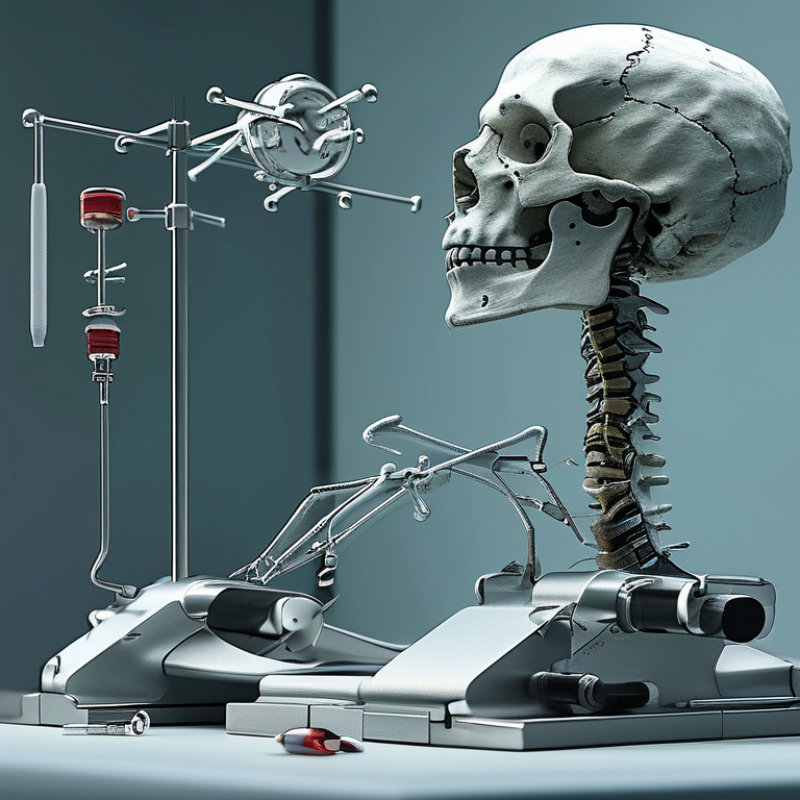
External fixation devices are critical tools in orthopedic surgery. They help stabilize fractured bones during the healing process. These devices are often used when traditional casts are insufficient. Their primary purpose is to maintain proper alignment. This allows for optimal healing while minimizing complications.
The construction of external fixation devices usually involves rods, pins, and clamps. These components connect to the bone externally. Adjustable mechanisms enhance the device's effectiveness. However, the application of these devices requires trained professionals. Proper placement is essential to avoid discomfort and complications. Regular monitoring is also crucial to assess the healing progress.
Tips for care:
When caring for an external fixation device, keep the area clean and dry. Use mild soap and water, but avoid soaking. Monitor for signs of infection, such as increased redness or swelling.
Communication with healthcare providers is vital. Report any discomfort promptly. Adjusting to the device may take time, but understanding its importance can ease concerns. Stay informed about your healing process to foster a sense of control.
Types of External Fixation Devices Used in Orthopedic Surgery
External fixation devices play a crucial role in orthopedic surgery. These devices stabilize fractures and deformities. They work by external fixation, holding bones in place during the healing process. A 2022 orthopedic report stated that nearly 30% of severe fractures require external fixation for optimal recovery.
There are several types of external fixation devices used clinically. The circular fixator provides multidirectional stability. It allows for adjustments during treatment. The unilateral fixator is simpler and often used for less complex injuries. A study showed that 23% of surgeons prefer circular fixators for complex cases, showing their effectiveness. Meanwhile, the hybrid fixator combines elements of both styles for added versatility.
Despite advantages, challenges exist in using these devices. Infections can occur at pin sites and complicate healing. Adequate training is essential for medical staff to minimize risks. A recent survey found that 15% of healthcare professionals felt underprepared to handle complications associated with these devices. This highlights the need for continuous education and experience in utilizing external fixation methods effectively.
Top 5 External Fixation Devices You Need to Know
| Device Type |
Indications |
Benefits |
Drawbacks |
| Static External Fixator |
Fracture stabilization |
Effective for treating complex fractures |
Limited mobility for patients |
| Dynamic External Fixator |
Bone lengthening and deformity correction |
Allows gradual correction |
Complex adjustment process |
| Circular External Fixator |
Fractures, osteomyelitis |
Provides 360-degree stabilization |
Requires diligent care and management |
| Rail System Fixator |
Segmental bone defects |
Facilitates stable fixation |
May involve multiple surgeries |
| Hybrid External Fixator |
Complex fractures, limb reconstruction |
Combines benefits of different systems |
More components can complicate technique |
Benefits and Limitations of External Fixation Devices
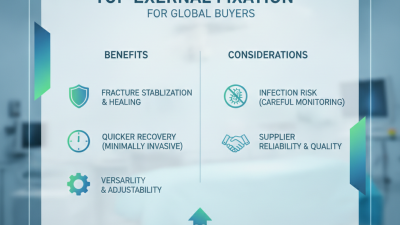
External fixation devices are crucial in orthopedic treatments. Their primary benefits include stabilization of fractures and post-surgical support. According to industry reports, these devices help reduce healing time by about 30%. This is particularly significant for patients with complex fractures.
However, external fixation devices also come with limitations. The risk of infection ranges from 5% to 12%, depending on the placement and care. Patients need to ensure regular cleaning of the pins and surrounding skin. Additionally, some patients report discomfort or adverse cosmetic outcomes from the device's presence. These factors can lead to non-compliance with treatment recommendations.
It's essential to weigh these benefits against potential drawbacks. Not every patient may find external fixation the best solution for their fracture. Consultation with healthcare professionals serves as a critical step in making informed decisions. Understanding individual conditions and risks is vital for achieving optimal recovery.
Key Factors in Choosing an External Fixation Device
When choosing an external fixation device, consider several key factors. One important aspect is stability. A device must provide adequate support to promote proper healing. If it lacks stability, it may lead to complications, prolonging recovery.
Another crucial factor is the ease of application. A well-designed device allows for quick installation in emergency situations. Time can be critical, especially in trauma cases. The ability to adjust and remove the device without pain is also vital. Frustration may arise from difficult adjustments.
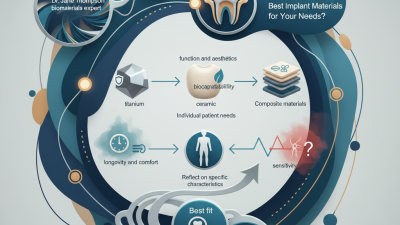
Material is another key consideration. Lightweight options often improve patient comfort. However, stronger materials are necessary for severe fractures. Evaluate the balance between weight and strength for optimal results. Additionally, assess how easily the device can be monitored for infection or other issues. Regular check-ups are essential for promoting healing and avoiding complications.
These details can affect the overall outcome. Each factor plays a role in patient recovery. Balancing these elements can be quite challenging. A perfect choice may not exist. Continuous learning and adapting are necessary in this field.
Top 5 External Fixation Devices Overview
Future Trends and Innovations in External Fixation Technology
Advancements in external fixation technology are shaping the future of orthopedic treatment. These innovations aim to improve patient outcomes and reduce recovery times. For instance, the use of smart materials in fixation devices can enhance stability and facilitate healing. Sensors integrated into devices allow for real-time monitoring of the healing process, providing vital information to healthcare providers.
**Tip:** Consider discussing the potential impacts of these technologies with your healthcare professional. They can provide insights tailored to your specific needs and conditions.
Furthermore, robotics and automation are beginning to play a significant role. Robotic-assisted systems promise greater precision in device placement, minimizing human error. This approach may lead to enhanced accuracy and improved alignment during surgeries.
**Tip:** Be proactive in asking questions about how these innovations could benefit your treatment plan. Understanding the technology can empower your decision-making.
Challenges remain in terms of accessibility and cost. Not all patients may have access to the latest technologies. Ongoing research is essential to ensure these advancements are available to a wider population. Keeping abreast of these trends can help patients and healthcare providers navigate future options effectively.