Top Orthopedic Devices Trends to Watch in 2026?
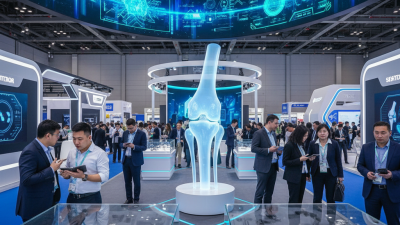
The landscape of Orthopedic Devices continues to evolve. As we approach 2026, several trends are emerging that promise to reshape the market. Innovations in technology drive these changes, enhancing patient care and outcomes. The integration of advanced materials, such as bioactive composites, is set to revolutionize implants and prosthetics. These materials improve durability and compatibility with the human body.
Moreover, artificial intelligence and machine learning are becoming more prevalent in orthopedic practices. These technologies enable more precise diagnostics and tailored treatment plans. However, as with any innovation, challenges exist. The implementation of these devices must consider user training and potential limitations. Not all orthopedic professionals may be equipped to handle such advancements seamlessly.
In this dynamic environment, understanding Orthopedic Devices trends is crucial. Tracking these developments will help stakeholders adapt and thrive. It is important to stay informed about not only the advancements but also the obstacles that may arise. This awareness can lead to better decision-making in patient care and the adoption of new devices.

Emerging Technologies in Orthopedic Device Design for 2026
The orthopedic device industry is poised for significant advancements in 2026. Emerging technologies will play a vital role in transforming device design and functionality. A focus on biocompatible materials is essential, allowing for better integration with human tissue. This could lead to faster healing and reduced risk of rejection. Additionally, 3D printing will enable customized solutions tailored to individual needs, improving comfort and performance.
Tips: Consider the role of data analytics in your device design process. Real-time data can lead to improved outcomes. Engaging with patients early in development can provide valuable insights that enhance usability.
Robotics will also make strides in orthopedic surgery.Precision navigation helps surgeons place devices more accurately. While robotic systems promise greater efficiency, the learning curve poses challenges. Training needs to be robust to ensure safety and efficacy.
Revolutionary designs like smart implants that monitor health metrics are on the horizon. These devices could provide continuous feedback about recovery. However, concerns regarding data security and patient privacy must be carefully considered.
Top Orthopedic Devices Trends to Watch in 2026
| Trend |
Description |
Projected Impact |
Key Technologies |
| 3D Printing |
Custom implants and prosthetics tailored to individual patient anatomy. |
Increased patient satisfaction and reduced surgery time. |
SLA, SLS technologies |
| Robotic-Assisted Surgery |
Enhanced precision in surgical procedures for joint replacements. |
Lower complication rates and faster recovery times. |
AI algorithms, advanced robotics |
| Biologics and Regenerative Medicine |
Use of stem cells and growth factors to enhance healing capabilities. |
Potential for improved recovery and tissue regeneration. |
Stem cell technology, PRP |
| Wearable Technologies |
Devices that monitor and enhance recovery and rehabilitation progress. |
Greater patient engagement and adherence to rehabilitation protocols. |
Smart sensors, mobile apps |
| Telemedicine in Orthopedics |
Remote consultations and follow-ups to ensure continuous patient monitoring. |
Increased accessibility and convenience for patients. |
Video conferencing, mobile health apps |
Innovations in Biodegradable Materials for Orthopedic Devices
The future of orthopedic devices is increasingly focused on eco-friendly innovations. Biodegradable materials are emerging as a compelling solution for reducing the environmental impact of surgical implants and devices. These materials can break down naturally over time, minimizing waste and promoting sustainability in healthcare.
One noteworthy aspect is the ongoing research into polymers and composites. These materials can be engineered to provide necessary strength while being environmentally safe. Surgeons may soon have options that not only aid patient recovery but also align with green practices.
Tips: When considering biodegradable options, always consult with your medical professional. Discuss the benefits and potential limitations of these innovative materials. It’s vital to evaluate how they match your specific health needs. The orthopedic field is evolving, yet understanding the materials is crucial for informed decisions. As these technologies advance, remain open to adjusting your perceptions about traditional implants.
The Role of AI and Machine Learning in Orthopedic Surgery Tools
Artificial intelligence (AI) and machine learning (ML) are transforming orthopedic surgery tools. By 2026, it's projected that the global orthopedic AI market will reach $1.9 billion, growing at a rate of 36.3% annually. Such rapid expansion highlights the integral role of technology in improving patient outcomes.
AI in surgery assists in preoperative planning, enhancing precision. Machine learning algorithms analyze vast datasets of surgical outcomes, providing insights into best practices. For instance, AI tools can predict complications based on patient history, allowing surgeons to tailor procedures. Yet, challenges remain. Data privacy concerns and algorithm biases could impact decision-making and trust in technology.
Moreover, integrating AI with robotic surgery systems can enhance dexterity and reduce error rates. Recent studies indicate that robotic-assisted surgeries show a 20-30% increase in accuracy. However, reliance on technology could inadvertently diminish surgeons' skills over time. Balancing technology adoption with human expertise is crucial for future practices.
Trends in Personalized Orthopedic Implants and Their Impact on Recovery
Personalized orthopedic implants are transforming recovery protocols. These custom devices are tailored to fit the unique anatomy of each patient. Such precision can improve stability during the healing process. A perfect fit minimizes complications and enhances overall outcomes. Surgeons report increased satisfaction rates with personalized options.
Despite these advancements, challenges persist. The production of custom implants can be time-consuming. Patients may experience delays in surgical procedures. Furthermore, the long-term data on effectiveness is still emerging. Some hospitals may lack resources to adopt these technologies fully. A gap in training for medical professionals also exists.
Recovery journeys benefit greatly from personalized care. Enhanced designs can lead to shorter rehabilitation times. However, it’s essential to monitor each patient's progress closely. Not all patients will respond to customized implants the same way. Continuous research and development will help address these variables. The future of orthopedic care seems promising, but it demands careful consideration.
Top Orthopedic Devices Trends to Watch in 2026
This chart illustrates the projected growth in the adoption of personalized orthopedic implants, highlighting trends in recovery outcomes over the next few years.
Advancements in Minimally Invasive Techniques and Devices for Orthopedics
The future of orthopedics is shifting towards
minimally invasive techniques.
This approach helps reduce recovery time and minimizes patient discomfort.
Surgeons are adopting new devices that allow for smaller incisions and less damage to surrounding tissues.
These innovations lead to quicker rehabilitation for patients suffering from joint issues and other musculoskeletal conditions.
For patients, understanding these advancements is critical.
Ask your healthcare provider about the benefits of minimally invasive options.
Research shows that this method can often lead to better outcomes.
Many surgeries now utilize robotic-assisted devices. They enhance precision and improve the surgeon's ability to perform complex procedures.
Consider the learning curve for medical professionals.
While these devices can be highly effective, they require extensive training.
As the technology evolves, ongoing education for surgeons becomes paramount.
Patients might want to explore the experience levels of their surgeons with these new techniques.
This can help ensure they receive care based on the latest practices in the field.