Surgical Procedures combine clinical judgment, trained teams, sterile technique, and carefully selected equipment. They range from minor tissue repairs to complex organ operations. Each procedure depends on a controlled sequence: patient assessment, anesthesia, incision, intervention, closure, and recovery. The equipment may include scalpels, retractors, electrosurgical units, surgical lights, operating tables, imaging systems, and monitoring devices. Yet a longer equipment list does not guarantee safer care. Sometimes, it creates more opportunities for confusion.
The scale is considerable. The Lancet Commission on Global Surgery estimated that five billion people lack access to safe, affordable surgical and anesthesia care. It also identified a need for 143 million additional surgical procedures each year. The World Health Organization’s Safe Surgery Saves Lives program showed that a checklist reduced major complications and deaths across participating hospitals. These findings place equipment within a wider system of preparation, communication, maintenance, and accountability. A powered instrument may cut precisely, but only when staff understand its settings, limits, and cleaning requirements.
Surgeon and patient-safety researcher Peter Pronovost stated, “We need to make it easy to do the right thing and hard to do the wrong thing.” That principle frames this guide. It examines what Surgical Procedures involve, why specific tools are selected, and how equipment supports safety before, during, and after an operation. The subject is technical, but not perfectly tidy. Devices fail, teams miss details, and protocols need review. Reliable practice therefore requires evidence, hands-on experience, verified standards, and honest reflection on what still needs improvement.
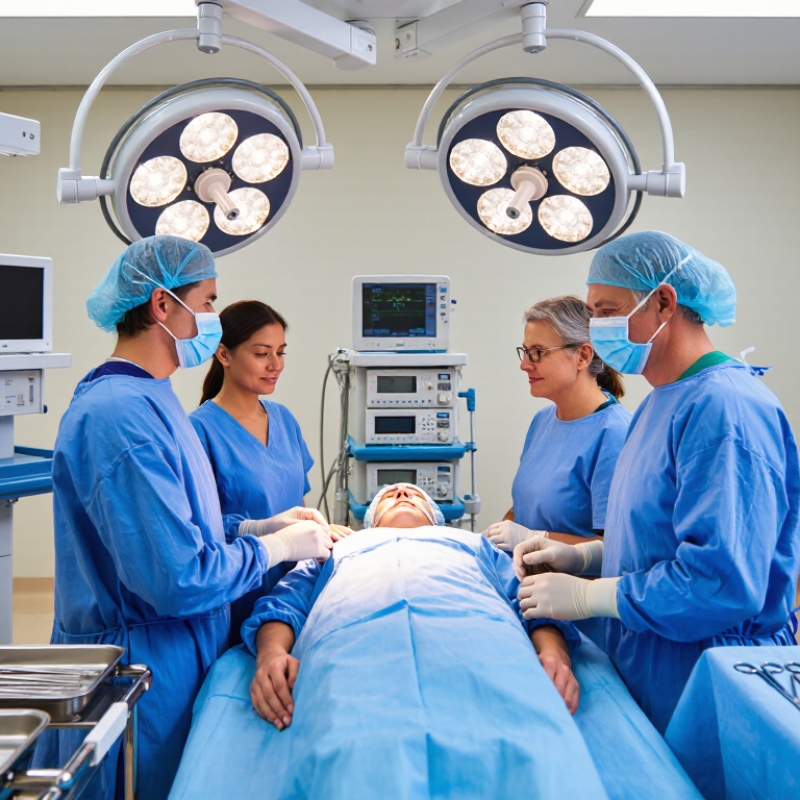
More than 313 million surgical operations take place worldwide each year, according to widely cited global estimates. This figure includes procedures ranging from emergency cesarean deliveries to cancer resections and fracture repairs. It also reflects enormous differences in access, staffing, safety, and hospital capacity.
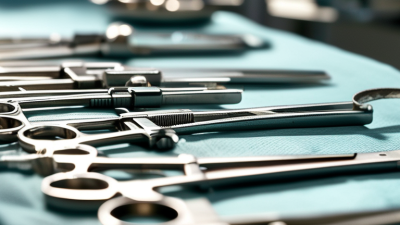
A surgical procedure is a planned or urgent intervention that changes body tissue to diagnose, treat, or prevent disease. Teams may use scalpels, surgical lights, anesthesia machines, electrosurgical units, suction systems, and monitoring devices. Each tool has a specific role. A monitor showing oxygen levels can warn the team before a small problem becomes dangerous. Sterile drapes and sealed instrument packs help reduce contamination during the operation.
The number is impressive, but it is not perfectly precise. Countries define and record operations differently, while many rural procedures remain poorly documented. That weakness matters. Reliable data helps health authorities train enough surgeons, purchase essential equipment, and improve operating-room access. In my view, equipment alone cannot create safe surgery. Skilled judgment, careful preparation, and clear communication remain decisive. A technically advanced room may still fail when maintenance is ignored or staff are exhausted. Small details matter. A missing battery can delay urgent care. A rushed handover can hide a serious risk.
A practical overview of common surgical procedure categories, their clinical purposes, and the equipment typically required.
| Procedure Category | Common Examples | Primary Clinical Purpose | Typical Anesthesia | Core Equipment | Typical Operating Time | Common Surgical Approach |
|---|---|---|---|---|---|---|
| General Abdominal Surgery | Appendectomy, bowel resection, hernia repair | Treat inflammation, obstruction, perforation, tumors, or abdominal-wall defects | Usually general anesthesia | Operating table, surgical instruments, electrosurgical unit, suction, retractors, laparoscopic camera and insufflation system when minimally invasive surgery is used | Approximately 30 minutes to 4 hours, depending on complexity | Open surgery or laparoscopic surgery |
| Obstetric Surgery | Cesarean delivery, repair of severe obstetric complications | Deliver a baby or manage maternal complications when vaginal delivery is unsafe or not possible | Spinal or epidural anesthesia; general anesthesia in selected emergencies | Operating table, fetal and maternal monitors, surgical instruments, suction, electrosurgical unit, neonatal resuscitation equipment | Approximately 30 to 90 minutes for an uncomplicated cesarean delivery | Usually open abdominal surgery |
| Orthopedic Surgery | Fracture fixation, joint replacement, arthroscopy | Restore bone alignment, joint function, mobility, or stability | General, spinal, regional, or local anesthesia depending on the procedure | Orthopedic drill, saw, bone-holding instruments, plates, screws, prosthetic components, tourniquet, and fluoroscopy when required | Approximately 30 minutes to 4 hours | Open surgery or arthroscopic minimally invasive surgery |
| Ophthalmic Surgery | Cataract extraction, glaucoma surgery, retinal procedures | Improve vision or treat diseases affecting the lens, retina, or intraocular pressure | Topical, local, or regional anesthesia; general anesthesia in selected patients | Operating microscope, fine microsurgical instruments, ophthalmic irrigation and aspiration system, intraocular lens inserter, and retinal viewing equipment when needed | Approximately 15 to 120 minutes | Small-incision or microsurgical techniques |
| Cardiovascular Surgery | Coronary artery bypass, valve repair or replacement, vascular bypass | Restore blood flow, repair heart valves, or treat major blood-vessel disease | General anesthesia with invasive monitoring | Cardiac monitors, arterial and central venous monitoring, surgical retractors, vascular instruments, heart-lung machine for selected procedures, and blood conservation equipment | Approximately 2 to 6 hours, depending on the operation | Open surgery or catheter-based intervention, depending on the condition |
| Neurosurgery | Craniotomy, spinal decompression, aneurysm treatment | Treat tumors, bleeding, nerve compression, trauma, or structural disorders of the brain and spine | Usually general anesthesia; selected procedures may use monitored or awake techniques | Operating microscope, cranial or spinal instruments, high-speed drill, neuromonitoring, navigation equipment, suction, and hemostatic devices | Approximately 1 to 8 hours | Open microsurgery, endoscopic surgery, or image-guided minimally invasive surgery |
| Urologic Surgery | Kidney-stone removal, prostate surgery, urinary reconstruction | Remove obstruction or stones and treat diseases of the kidneys, bladder, prostate, and urinary tract | General, spinal, or regional anesthesia | Endoscope, camera system, irrigation pump, laser or energy device when indicated, graspers, stents, and fluoroscopy for selected procedures | Approximately 30 minutes to 4 hours | Endoscopic, laparoscopic, robotic-assisted, or open surgery |
| Ear, Nose, and Throat Surgery | Tonsillectomy, sinus surgery, ear reconstruction | Relieve airway obstruction, treat chronic infection, improve hearing, or repair anatomical problems | Local, regional, or general anesthesia depending on the procedure | Headlight or operating microscope, endoscopes, suction, fine instruments, electrosurgical unit, and airway-management equipment | Approximately 20 minutes to 4 hours | Open, endoscopic, or microsurgical techniques |
| Plastic and Reconstructive Surgery | Burn reconstruction, wound closure, skin grafting, breast reconstruction | Restore function and appearance after trauma, cancer treatment, burns, congenital conditions, or tissue loss | Local, regional, or general anesthesia | Fine surgical instruments, skin graft equipment, dermatomes, surgical microscope for microsurgery, suction, electrosurgical unit, and wound-care materials | Approximately 30 minutes to 8 hours | Open surgery, grafting, flap surgery, or microsurgery |