10 Tips for Accelerating Bone Healing Naturally
Bone healing is a complex process that requires attention, care, and the right resources. While medical intervention is crucial, many people seek natural ways to enhance their recovery. Understanding the body's needs during this healing phase can lead to better outcomes.
Natural methods can complement traditional treatments, encouraging faster recovery. Nutritional choices play an essential role in rebuilding bone tissue. Foods rich in calcium, vitamin D, and magnesium support bone health. Regular exercise, within limits, can stimulate blood flow and enhance healing.
Moreover, natural remedies, like herbal supplements, may provide additional benefits. However, not all methods work for everyone. It's essential to personalize your approach. Listening to your body is key, and you should consult professionals when needed. Embracing these tips can empower you to take charge of your bone healing journey.
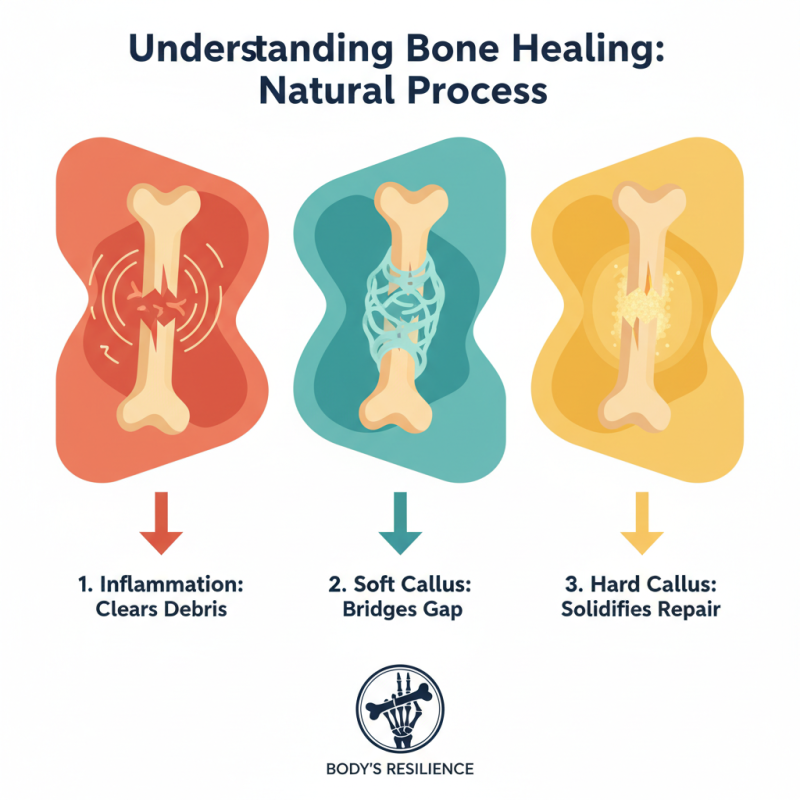
Understanding Bone Healing: The Natural Process
Bone healing is a natural and intricate process. Understanding its phases can deepen our appreciation of our body’s resilience. When a bone fractures, the body initiates a series of biological responses. Inflammation occurs first. This phase clears debris and sets the foundation for healing. Following that, the body forms a soft callus. This transitional tissue bridges the gap between broken bone ends. Eventually, new bone cells replace the callus, solidifying the repair.
To support this healing journey, consider incorporating specific nutrients into your diet. Calcium and vitamin D are crucial for bone strength. Eating leafy greens and nuts can enhance your calcium intake. Don't forget about magnesium, which helps in bone formation. Regular, gentle movement is also beneficial. It promotes circulation and supplies nutrients to the area. However, pushing too hard too soon can be counterproductive. Listen to your body and respect its limits.
Rest is equally important. Giving your bones time to heal is essential for recovery. Minimize stress on the injury. While it may feel frustrating, patience pays off in the long run. Embracing holistic practices like meditation may help with mental resilience during this time. Finally, share your journey with others. Connecting with those who understand can offer emotional support and insight, aiding in your healing process.
Nutrition's Role in Accelerating Bone Healing
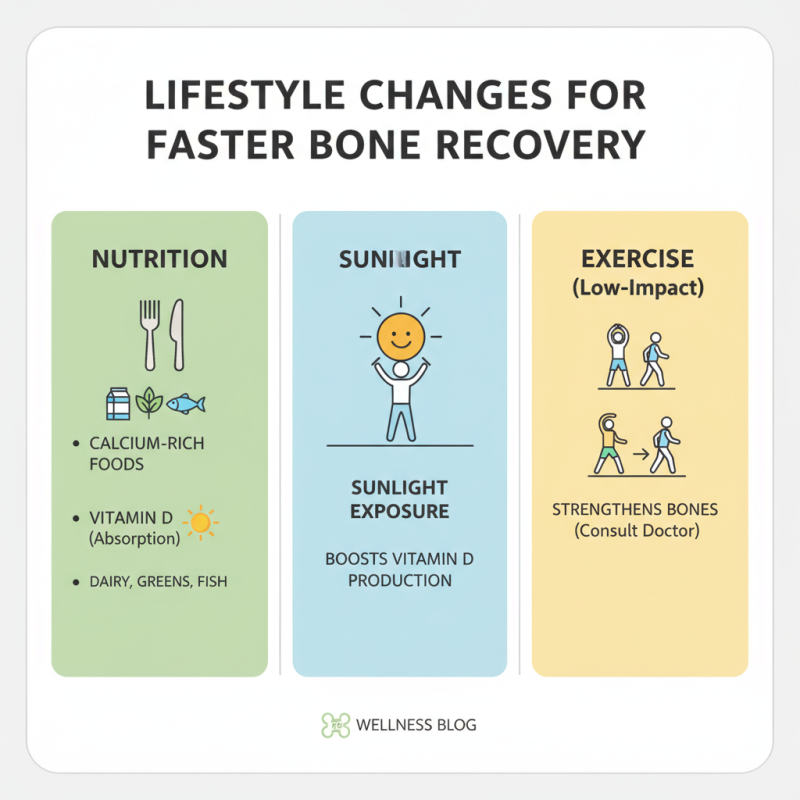
Nutrition plays a crucial role in accelerating bone healing. Key nutrients directly impact the recovery process. Calcium is essential for bone strength. It forms the structural component of bones. Foods rich in calcium include leafy greens, dairy, and fortified alternatives. Incorporating these into your diet can aid recovery.
Vitamin D is another vital nutrient. It helps the body absorb calcium effectively. Sunlight exposure can boost vitamin D levels. Fatty fish and egg yolks also provide good sources. A balanced intake of these nutrients supports the body’s healing mechanisms.
Protein is often overlooked in bone repair. It aids in tissue growth and repair. Lean meats, beans, and legumes can help meet protein needs. Enough protein intake may enhance bone formation. Sometimes, individuals may forget to monitor their diet closely. Reflecting on food choices is key for optimal healing. Emphasizing a whole-foods approach can yield significant benefits.
Essential Vitamins and Minerals for Stronger Bones
Healing bones naturally requires dedication and knowledge of essential nutrients. Vitamins and minerals play a crucial role in this journey.
Calcium is fundamental for bone strength. It is found in dairy products, leafy greens, and fortified foods. Ensure you get enough daily to support your healing process.
Vitamin D is equally vital. It aids calcium absorption and boosts bone health. Sunlight exposure can help you produce this essential vitamin.
Consider adding fatty fish or fortified foods to your diet. Magnesium also contributes to bone integrity. Nuts, seeds, and whole grains are excellent sources. They support other minerals in maintaining bone health.
Incorporating these nutrients can help speed up your healing. Keep a balanced diet, and pay attention to your body. Regular exercise, even gentle movements, can enhance healing.
Listen to your body and make gradual changes. Reflect on what works for you and what doesn’t. Adjust your habits to focus on your unique needs.
Herbal Remedies and Natural Treatments for Bone Health
Herbal remedies can play a significant role in enhancing bone healing. Research shows that certain herbs contain compounds beneficial for bone health. For instance, nettle and red clover are packed with vitamins and minerals crucial for recovery. These herbs contain calcium and vitamin K, both vital for bone regeneration. Incorporating them into daily diets may speed up healing processes.
Additionally, turmeric is widely recognized for its anti-inflammatory properties. Curcumin, the active compound in turmeric, has been shown to promote osteoblast activity. Osteoblasts are essential for bone formation. A study published in the Journal of Bone and Mineral Research noted that curcumin can increase bone density and reduce the risk of fractures.
Moreover, magnesium is essential for bone health. Foods rich in magnesium, such as leafy greens and nuts, support bone structure. However, many people fall short in their magnesium intake. According to the National Institutes of Health, approximately 50% of adults do not meet the recommended daily allowance. This shortfall can slow healing. Focusing on dietary sources of nutrients is crucial for accelerating recovery. Taking small steps with herbal additions can make a significant difference in bone health over time.
10 Tips for Accelerating Bone Healing Naturally
| Tip |
Description |
Recommended Natural Remedies |
Additional Benefits |
| Increase Calcium Intake |
Boosts bone density and strength. |
Dairy products, leafy greens |
Supports overall health |
| Get Enough Vitamin D |
Essential for calcium absorption. |
Sunlight, fatty fish |
Enhances mood and immune function |
| Stay Hydrated |
Water aids in nutrient transportation. |
Water, herbal teas |
Improves cognitive function |
| Incorporate Magnesium |
Supports calcium metabolism. |
Nuts, seeds, whole grains |
Aids in muscle function |
| Use Herbal Remedies |
Certain herbs can support bone health. |
Nettle, alfalfa |
Anti-inflammatory properties |
| Limit Processed Foods |
Processed foods can hinder healing. |
Fresh fruits, vegetables |
Supports overall wellness |
| Practice Weight-Bearing Exercises |
Stimulates bone formation. |
Walking, jogging, weight lifting |
Improves muscle strength |
| Consider Omega-3 Fatty Acids |
May reduce bone loss. |
Fish oil, flaxseeds |
Supports heart health |
| Mind Your Posture |
Proper posture reduces strain on bones. |
Ergonomic furniture |
Prevents long-term injuries |
| Get Plenty of Rest |
Sleep is vital for recovery. |
Sleep hygiene practices |
Enhances overall health |