How to Prepare for Orthopedic Surgery Successfully?
Preparing for orthopedic surgery is a crucial step that can significantly impact recovery and outcomes. Dr. Emily Carter, a renowned orthopedic surgeon, emphasizes, "Proper preparation can lead to faster healing and better results." This statement encapsulates the essence of ensuring one's readiness for surgery. Understanding what to expect is vital for patients and their families.
Many patients underestimate the importance of thorough preparation. This often leads to anxiety and uncertainty. Gathering essential information about the surgical procedure, healing process, and post-operative care is necessary. Patients should collaborate closely with their healthcare team to address any concerns.
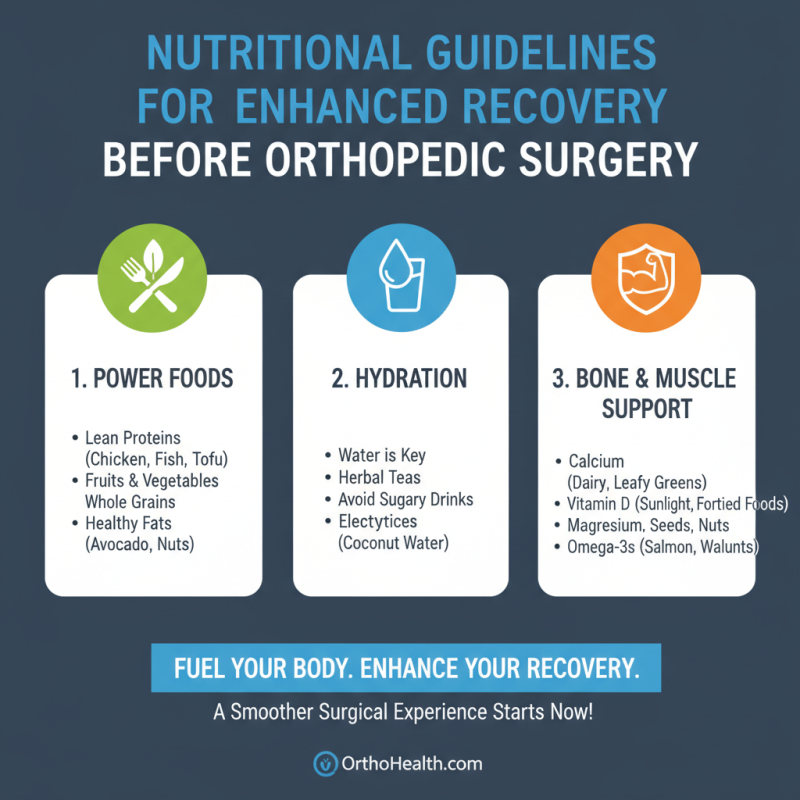
Moreover, engaging in pre-surgery exercises can strengthen the body and enhance recovery. Nutrition also plays a pivotal role in the healing process. Balancing these factors requires reflection and commitment. A successful orthopedic surgery journey starts well before entering the operating room.

Understanding the Common Types of Orthopedic Surgeries and Their Purpose
Orthopedic surgeries address various conditions affecting bones, joints, ligaments, and tendons. Common procedures include arthroscopy, joint replacement, and fracture repair. According to a report by the American Academy of Orthopaedic Surgeons, over 7 million orthopedic surgeries occur annually in the United States alone. Each surgery aims to improve mobility and reduce pain, but outcomes can vary based on the individual's overall health and adherence to post-operative care.
Preparation is critical. Educating oneself about the specific type of surgery can significantly enhance recovery. For instance, patients undergoing knee replacements should focus on strength training pre-surgery. Engaging in physical therapy early may also facilitate a smoother recovery. Research indicates that patients involved in their care plan tend to experience better outcomes.
Tips for a successful experience include discussing all medications with your healthcare provider. Some drugs may interfere with anesthesia or healing. Consider arranging for help at home post-surgery, as many patients underestimate recovery needs. Preparing your living space in advance can minimize strain during recuperation. Remember, each individual’s journey is unique, and adjustments might be needed along the way.
Key Preoperative Assessments and Tests for Optimal Surgical Outcomes
Preparing for orthopedic surgery involves careful planning and multiple assessments. Understanding key preoperative tests can significantly influence surgical success. Essential evaluations often include blood tests, imaging studies, and detailed medical history reviews. These diagnostics help identify potential risks and improve outcomes.
Tips: Stay organized. Make a checklist of all required preoperative tests. This ensures nothing is overlooked. Discuss any current medications with your healthcare provider. Certain drugs might need to be adjusted.
Aside from tests, consider your mental readiness. Anxiety before surgery is common but can impact recovery. Practice relaxation techniques in the days leading up to the procedure. Visualize a successful outcome to enhance your mindset.
Also, gather support from family or friends. Emotional well-being plays a crucial role in healing. Don’t be shy about expressing concerns or fears. Open communication with your healthcare team fosters trust and reassurance.
Key Preoperative Assessments for Orthopedic Surgery
This chart displays the importance of various preoperative assessments in improving surgical outcomes. Each category indicates a percentage of surgeons who believe these assessments are critical.
Mental Preparation Techniques to Reduce Anxiety Before Surgery
Orthopedic surgery can be daunting. Many patients experience anxiety before their procedures. Mental preparation is key. Research from the American Psychological Association suggests that up to 70% of patients feel anxiety prior to surgery. This can impact their recovery. Therefore, addressing mental health is vital.
To reduce anxiety, visualization techniques can be beneficial. Imagine the surgical process going smoothly. Picture waking up post-op, feeling relieved. Studies show that visualization can lower anxiety levels significantly. One study found that patients who practiced visualization reported a 30% decrease in preoperative anxiety.
Mindfulness is another effective tool. Focusing on the present moment can calm racing thoughts. Techniques like deep breathing or guided meditation are great options. A report from the Health Psychology journal indicates these methods can improve emotional well-being. While it may not remove all pre-surgery nerves, these practices can create a sense of control. Each small step toward mental readiness matters in your journey to recovery.
Postoperative Care Protocols for Successful Rehabilitation and Recovery
Postoperative care is crucial for successful rehabilitation after orthopedic surgery.
A recent study from the American Academy of Orthopaedic Surgeons emphasizes that proper postoperative protocols can reduce complications by nearly 30%.
Implementing effective pain management, wound care, and physical therapy can significantly enhance recovery outcomes.
Pain management should not be overlooked. Studies indicate that patients who actively engage in managing their pain report greater satisfaction with their recovery.
Communicate openly with your healthcare team about your pain levels. Don’t hesitate to ask questions.
Adequate pain control encourages participation in rehabilitation exercises.
Physical therapy starts shortly after surgery.
Engaging in structured exercises helps restore mobility and strength.
The Centers for Disease Control and Prevention found that patients who participate in early physical therapy have a
40% higher chance of returning to daily activities sooner.
Listen to your body; both progress and setbacks are part of your journey. Remember, it's okay to take small steps on some days.