What Is Minimally Invasive Surgery and How Does It Work?

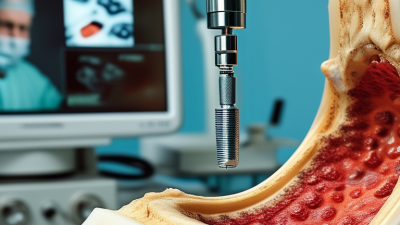
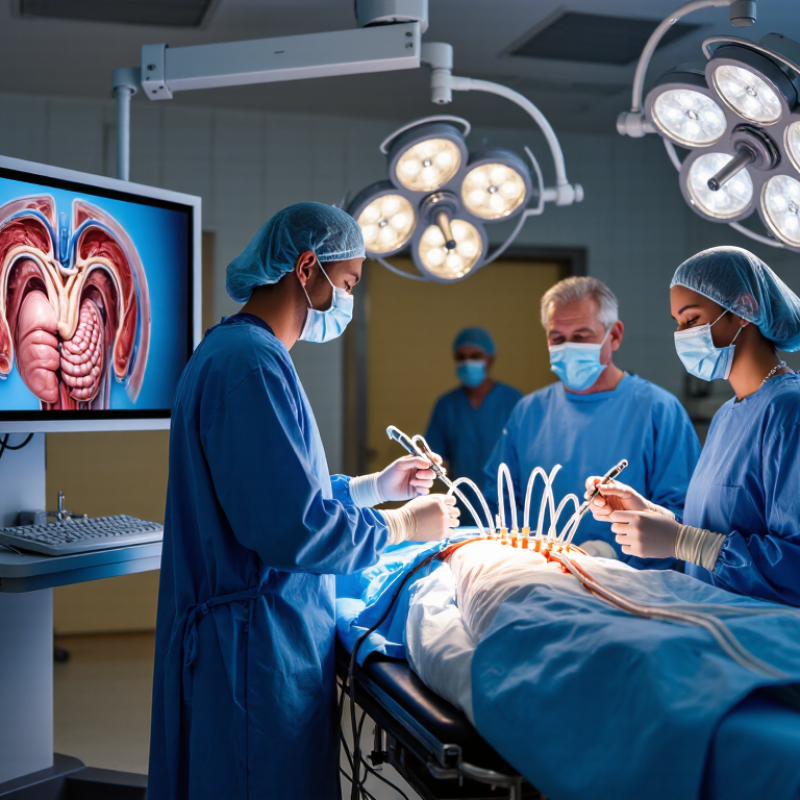
Minimally Invasive Surgery uses small incisions, specialized instruments, and a camera to reach the treatment area. Instead of opening a large section of the body, surgeons often work through narrow tubes called ports. A high-definition monitor displays magnified images from inside the patient. The operating team then guides each movement with careful control.

This approach may reduce tissue damage, blood loss, postoperative pain, and recovery time. However, those benefits depend on the procedure, the patient’s health, and the surgeon’s experience. It is not automatically safer or better for everyone. Some operations still require traditional open surgery, especially when anatomy is complex or unexpected bleeding occurs.

It sounds simple. It is not.

During a laparoscopic procedure, for example, the abdomen may be gently inflated with carbon dioxide. The surgeon watches the screen while moving instruments through small openings near the navel. Nurses, anesthesiologists, and surgical assistants monitor the patient continuously. Their decisions matter as much as the technology.

Reliable medical guidance should come from qualified surgeons, accredited hospitals, and current clinical evidence. Patients should ask why a specific technique is recommended, what risks remain, and how complications would be managed. Recovery can involve small scars, but discomfort, fatigue, or temporary restrictions may still occur. Results also vary, and marketing claims can sound more certain than the evidence allows.

Minimally Invasive Surgery represents an important development in modern care, but it is not a universal solution. Understanding how it works can help patients discuss realistic options with their healthcare team.
What Is Minimally Invasive Surgery and How Does It Work?

What Minimally Invasive Surgery Means

What Is Minimally Invasive Surgery and How Does It Work?

What Minimally Invasive Surgery Means

Minimally invasive surgery uses small incisions instead of one large opening. Through these openings, a surgeon guides a camera and specialized instruments toward the treatment area. The camera sends magnified images to a monitor, helping the surgical team work inside the body with controlled movements. Some procedures use robotic assistance, while others rely on handheld instruments. The technology differs, but the goal remains similar: reach the problem while disturbing less surrounding tissue.

It is not surgery without wounds. That distinction matters. Patients may still receive general anesthesia, stitches, drainage tubes, or temporary discomfort. A smaller incision can mean less blood loss, reduced scarring, and a shorter hospital stay, but results vary by procedure and individual health. Recovery also depends on age, medications, fitness, and the complexity of the operation. A person who feels well quickly may still need time for deeper tissues to heal.

The approach is not automatically safer or better for everyone. Surgeons may choose open surgery when visibility, bleeding control, or access requires it. Sometimes a minimally invasive procedure must be changed during surgery. That possibility can feel disappointing, yet it may be the safest decision. Before treatment, patients should ask how the operation works, what risks are expected, and how experience with the procedure is assessed. Clear answers matter more than impressive technology.
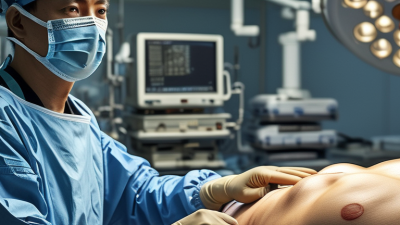
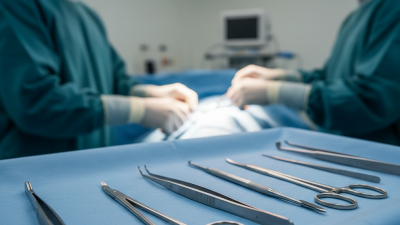
How Minimally Invasive Procedures Work

Minimally invasive surgery works through small openings rather than one large incision. A surgeon may insert a slender camera, called an endoscope, through one opening. The camera sends enlarged images to a nearby monitor. Other openings allow narrow instruments to reach the treatment area.

Small movements matter.

Before the procedure, medical staff review scans, medicines, allergies, and anesthesia risks. During surgery, the patient usually receives general or regional anesthesia, depending on the operation.

The surgeon guides instruments while watching the screen, sometimes using imaging support for greater precision. Tissue may be cut, repaired, removed, or sealed through these limited entry points.

Carbon dioxide can gently expand the abdomen during some abdominal procedures, creating working space. Afterward, the openings may need only stitches, adhesive strips, or small dressings.

Recovery can involve less visible scarring and reduced disruption to nearby tissue. It does not always mean less pain or a faster recovery. The result depends on the procedure, the patient’s health, and the surgeon’s training.

If bleeding, unclear anatomy, or unexpected damage occurs, a larger incision may become necessary. That possibility should be discussed before consent.

The small wounds still require careful cleaning and observation. Increasing redness, fever, worsening swelling, or unusual drainage needs prompt medical attention. Technology helps, but it does not replace clinical judgment.

The Main Tools and Techniques Used

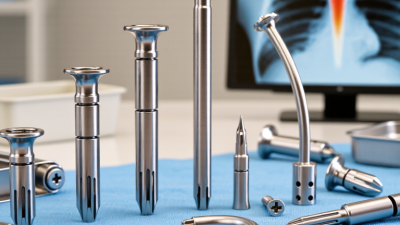
Minimally invasive surgery uses small openings instead of one large incision. Surgeons guide slender instruments through these openings, called ports. A tiny camera sends magnified images to a monitor. This view helps the surgical team see organs, blood vessels, and tissue planes inside the body.

Laparoscopy is common in abdominal procedures. Arthroscopy uses a camera inside a joint, while endoscopy examines natural passages such as the digestive tract.

Some operations use image-guidance systems to improve accuracy. Carbon dioxide may gently expand the abdomen, creating working space.

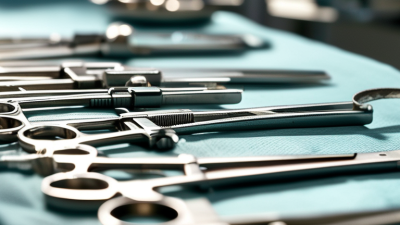
The surgeon then uses graspers, scissors, needle holders, and energy instruments to cut or seal tissue. Small retrieval bags can remove specimens through a port.

Precision matters.

Technique changes with every patient.

Some procedures use robotic-assisted instruments, which translate hand movements into controlled actions.

However, the technology does not replace surgical judgment. The team must monitor bleeding, tissue pressure, and the patient’s vital signs throughout the operation.

If visibility becomes poor or safety is uncertain, surgeons may enlarge an incision or change the plan. That is not necessarily failure. It can be the safest decision.

Minimally invasive surgery often reduces muscle damage and recovery time, but it is not automatically easier or better for every condition. Results depend on the operation, the patient’s health, and the team’s training.

Common Types of Minimally Invasive Surgery

Common Types of Minimally Invasive Surgery

Minimally invasive surgery uses small openings, a camera, and specialized instruments. Surgeons view the operative field on a monitor. Laparoscopy is widely used for gallbladder removal, hernia repair, and gynecological procedures. A 2023 American College of Surgeons National Surgical Quality Improvement Program report reviewed more than one million operations. Its data show why hospitals track complications, infections, readmissions, and recovery time carefully. However, the report does not prove that every minimally invasive operation is safer.

Arthroscopy treats joint problems through tiny incisions. A small camera enters the knee, shoulder, or ankle. The surgeon may repair cartilage or remove damaged tissue. Endoscopic surgery uses natural openings, often for digestive-tract examinations and treatments. Robotic-assisted surgery is another form of laparoscopy. The surgeon controls instruments from a console, while the system filters hand movement and provides magnified views. The robot does not operate independently.

Patients often experience smaller scars, less tissue disruption, and earlier movement. These benefits vary by procedure, age, anatomy, and surgical skill. A Cochrane review of laparoscopic appendectomy trials reported shorter hospital stays than open surgery, while noting procedure-specific risks. “Minimally invasive” can mislead. It is still major surgery. A camera may reveal unexpected bleeding, adhesions, or difficult anatomy. Surgeons sometimes switch to an open approach for safety. That decision is not a failure; it is clinical judgment. Discussion should include training, conversion rates, complications, and the patient’s own risk profile.

What Is Minimally Invasive Surgery and How Does It Work? - Common Types of Minimally Invasive Surgery

Surgical Approach How It Works Typical Access Point Common Uses Potential Advantages Important Considerations
Traditional Laparoscopic Surgery A surgeon inserts a camera and long, narrow instruments through small abdominal or pelvic incisions. The body cavity may be gently expanded with carbon dioxide to create working space. Several small incisions, commonly around the abdomen or pelvis. Gallbladder removal, appendectomy, hernia repair, gynecologic procedures, and selected colorectal operations. Usually smaller scars, less disruption of nearby tissue, and potentially less postoperative pain than open surgery. Usually performed under general anesthesia. Carbon dioxide can temporarily cause bloating or shoulder discomfort.
Robotic-Assisted Surgery The surgeon controls instruments from a console. The system translates hand movements into precise instrument movements and commonly provides a magnified three-dimensional view. Several small incisions used for a camera and specialized instruments. Selected prostate, gynecologic, colorectal, thoracic, and abdominal procedures. Enhanced visualization, wristed instrument movement, and improved access to some confined anatomical areas. The technology does not operate independently; the surgeon remains responsible for planning and controlling the procedure. Suitability depends on the operation and patient.
Single-Incision Surgery A camera and instruments are introduced through one incision, often using a specialized access device. One incision, frequently placed near the navel for abdominal procedures. Selected gallbladder, gynecologic, and abdominal operations. May reduce the number of visible scars and can provide a cosmetically favorable incision location. Instrument crowding and limited angles can make some procedures technically more demanding. It is not appropriate for every patient or operation.
Endoscopic Surgery A flexible or rigid camera passes through a natural opening or a small incision. Instruments can be guided through channels in the endoscope or alongside it. Natural openings such as the mouth, nose, or urinary passage, or a small skin incision. Digestive tract evaluation and treatment, airway procedures, urinary tract procedures, and selected joint or sinus operations. Can avoid a large external incision and may allow diagnosis and treatment during the same procedure. Sedation or anesthesia varies by procedure. Risks may include bleeding, infection, or injury to the treated organ.
Arthroscopic Surgery A small camera, called an arthroscope, is inserted into a joint. Saline may be used to expand and rinse the joint while miniature instruments perform repairs or remove damaged tissue. Two or more small incisions around a joint. Knee meniscus treatment, shoulder repairs, removal of loose tissue, and selected hip, ankle, wrist, or elbow procedures. Small incisions, direct visualization of joint structures, and often a shorter initial recovery than open joint surgery. Physical therapy may be essential. Recovery time varies substantially depending on whether tissue is removed, repaired, or reconstructed.
Endovascular Surgery A catheter is guided through a blood vessel using imaging. The surgeon or specialist may place a stent, deliver treatment, or repair a vessel from inside. A small puncture or incision, commonly in the groin, wrist, or arm. Treatment of narrowed arteries, aneurysms, blood clots, and selected vascular emergencies. May avoid opening the chest or abdomen and can reduce tissue disruption in suitable cases. Uses X-ray or other imaging and contrast material in many procedures. Kidney function, allergies, bleeding risk, and vessel anatomy must be assessed.
Image-Guided Percutaneous Surgery Needles, probes, drains, or instruments pass through the skin while ultrasound, computed tomography, or other imaging guides their position. One or more small skin punctures or short incisions. Biopsies, drainage of collections, tumor ablation, and placement of selected tubes or devices. Direct access to targeted areas with limited disruption of surrounding tissue. The procedure depends on accurate imaging and safe access routes. Bleeding, infection, and injury to nearby structures remain possible.
General note: Minimally invasive surgery uses small incisions, natural openings, or catheter-based access instead of a large open incision. It may support faster recovery and less postoperative discomfort, but the benefits and risks depend on the procedure, the patient’s health, the surgeon’s expertise, and whether conversion to open surgery is necessary.

Benefits, Risks, and Recovery Considerations

Minimally invasive surgery uses small incisions, a camera, and narrow instruments to reach the treatment area. In some procedures, a surgeon guides instruments through natural openings instead. The camera projects magnified images onto a monitor, while controlled movements allow precise work. General or regional anesthesia may be used, depending on the operation and the patient’s health. Less tissue disruption often means smaller scars, reduced pain, and a shorter hospital stay. These benefits are common, not guaranteed.

Risks still exist. Bleeding, infection, blood clots, anesthesia reactions, and injury to nearby organs can occur. A procedure may also need conversion to open surgery if visibility or safety becomes a concern. That decision is not a failure; it is a protective judgment. Ask the surgical team about their experience, expected complication rates, alternatives, and warning signs. Honest discussions matter more than impressive promises.

Recovery depends on the operation, age, medicines, and underlying conditions. Many patients walk within hours, but fatigue can last longer than the incision suggests. Follow wound-care instructions, take prescribed medicines correctly, and increase activity gradually. Fever, worsening pain, spreading redness, heavy drainage, chest pain, or sudden shortness of breath need urgent medical attention. Recovery is rarely perfectly linear. A patient may feel better, then have a difficult day. That does not always signal a complication, but it deserves careful assessment. Keep follow-up appointments, even when healing looks normal.

Minimally Invasive Surgery: Typical Recovery Windows

Minimally invasive procedures use small incisions and specialized instruments, which may reduce tissue disruption and support faster recovery than comparable open surgery. The ranges below are general clinical estimates and vary by procedure, health status, and complications.

Many patients may go home the same day or after one overnight stay, resume light activity within about 1–2 weeks, and return to unrestricted activity in roughly 2–6 weeks. Recovery can take longer after complex surgery. Possible risks include bleeding, infection, anesthesia complications, blood clots, and conversion to open surgery.