What Is Maxillofacial Surgery and What Does It Involve?

What Is Maxillofacial Surgery and What Does It Involve?

Maxillofacial Surgery is a specialized field that treats conditions affecting the face, jaws, mouth, neck, and related structures. It connects dental care with surgical medicine. Patients may seek treatment after facial trauma, for jaw misalignment, impacted teeth, tumors, infections, or congenital differences. Some procedures improve function, while others may also restore appearance.

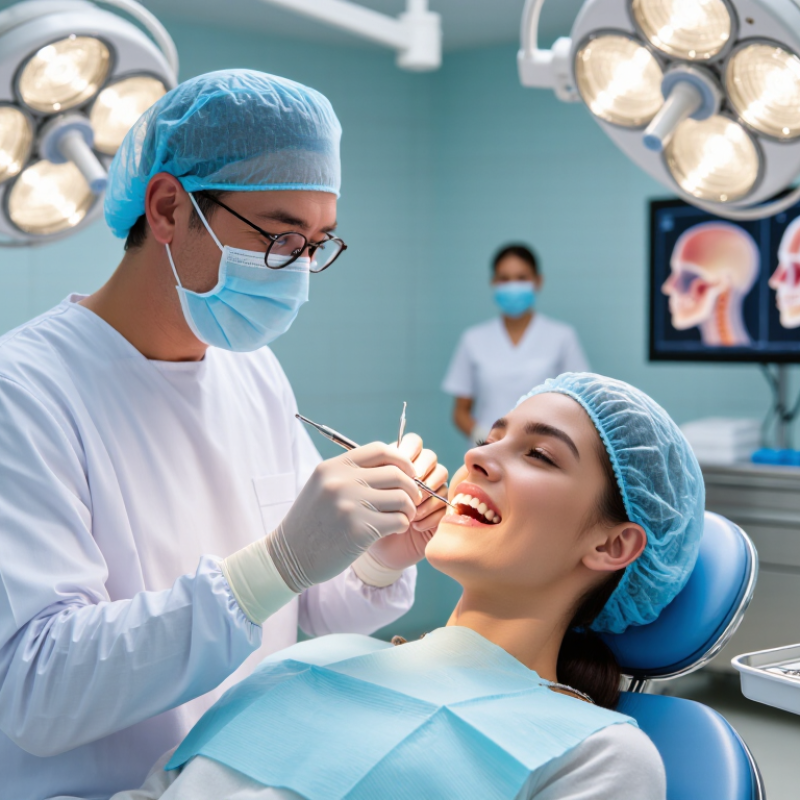
The work begins with careful assessment. A surgeon may review medical history, examine facial movement, and study dental scans or three-dimensional images. Treatment can involve local anesthesia, sedation, or general anesthesia, depending on complexity. Procedures range from removing difficult wisdom teeth to repairing fractured cheekbones or correcting an uneven bite. Reconstruction may use plates, screws, grafts, or carefully planned tissue movement. Every face is different.

Good care depends on a qualified team and clear communication. Oral and maxillofacial surgeons often coordinate with dentists, orthodontists, radiologists, anesthetists, and other specialists. They should explain expected benefits, possible risks, recovery time, and alternatives before treatment. Healing may include swelling, bruising, limited chewing, or temporary numbness. Results are not always perfectly predictable. That deserves honest discussion. A consultation cannot replace an individualized diagnosis, and online information has limits. Understanding the process can still make a first appointment less intimidating, especially when a patient knows which questions to ask and what recovery may look like.
What Is Maxillofacial Surgery and What Does It Involve?

What Is Maxillofacial Surgery?

What Is Maxillofacial Surgery?

Maxillofacial surgery treats conditions affecting the mouth, jaw, face, skull, and neck. It combines dental, medical, and surgical expertise. Specialists may repair facial fractures, remove jaw cysts, correct bite problems, or treat tumors. They can also manage impacted teeth and severe infections. The exact treatment depends on anatomy, symptoms, medical history, and imaging results.

The need for this field is substantial. The World Health Organization reported that oral diseases affect nearly 3.5 billion people worldwide. Its 2022 Global Oral Health Status Report also identified untreated tooth decay as a major global burden. However, oral disease does not automatically require surgery. A filling, medication, or routine extraction may be safer. This distinction is important, yet sometimes overlooked.

Tips: Ask which structure needs treatment and why. Request an explanation of scans, anesthesia, recovery time, and possible complications. A qualified surgeon should discuss alternatives clearly. Second opinions can help when surgery feels uncertain. Keep expectations realistic. Healing is rarely perfectly linear. Swelling, stiffness, or numbness may change gradually. The American Association of Oral and Maxillofacial Surgeons recommends reviewing medical conditions and medications before treatment. Patients should also report smoking, allergies, and previous anesthesia problems. Small details matter. Pain that worsens, fever, or breathing difficulty requires prompt medical attention.

Which Conditions Does Maxillofacial Surgery Treat?

Maxillofacial surgery treats diseases and injuries involving the mouth, jaw, face, and skull. It often manages complex facial fractures after road crashes, falls, or sports injuries. Surgeons may stabilize broken cheekbones, repair orbital damage, or reconstruct the jaw. Treatment can also address severe dental infections that spread into facial tissues. These infections may threaten breathing, so urgent assessment is essential.

The specialty also treats jaw deformities, including an underdeveloped lower jaw, facial asymmetry, and severe overbites. Corrective jaw surgery can improve chewing, speech, facial balance, and sometimes breathing. Impacted wisdom teeth and difficult tooth removals may require specialist care. However, not every difficult extraction needs maxillofacial surgery. Clinical judgment matters.

Tumors are another major concern. The International Agency for Research on Cancer estimated 389,846 new lip and oral cavity cancer cases worldwide in 2022. Maxillofacial teams may biopsy suspicious tissue, remove tumors, and reconstruct affected areas. They also manage cysts, salivary gland disorders, congenital clefts, and facial skin defects. The World Health Organization reported that oral diseases affect about 3.5 billion people globally. That figure includes many conditions outside surgical care, so it should not be treated as a surgery count. A thorough examination, imaging, and medical history determine whether surgery is appropriate. Sometimes, observation or non-surgical treatment remains the safer choice.

What Is Maxillofacial Surgery and What Does It Involve? – Which Conditions Does Maxillofacial Surgery Treat?

Category What It Involves Examples of Conditions Treated Typical Goals
Definition A surgical specialty focused on diseases, injuries, defects, and functional problems affecting the mouth, jaws, face, head, neck, and related tissues. Conditions may involve bone, skin, muscles, salivary glands, nerves, teeth, and other soft tissues. To restore health, function, facial structure, comfort, and, when appropriate, appearance.
Impacted Teeth Removal of teeth that are blocked from erupting normally or are causing pain, infection, decay, or damage to nearby teeth. Impacted wisdom teeth, retained teeth, and teeth positioned abnormally within the jaw. Relieve symptoms, prevent complications, and support oral health.
Jaw Misalignment Corrective jaw surgery, also called orthognathic surgery, repositions the upper jaw, lower jaw, or both. Overbite, underbite, open bite, crossbite, facial asymmetry, and severe jaw discrepancies. Improve chewing, speech, breathing in selected cases, bite alignment, and facial balance.
Facial Trauma Assessment and repair of facial injuries using wound care, fracture reduction, fixation, and soft-tissue reconstruction when necessary. Fractures of the jaw, cheekbone, eye socket, nose, and midface; facial lacerations and soft-tissue injuries. Restore facial structure, vision-related protection, bite function, and movement.
Temporomandibular Joint Disorders Surgical treatment is considered when symptoms persist despite appropriate nonsurgical care or when there is significant joint damage. Severe jaw-joint degeneration, structural abnormalities, ankylosis, and certain internal joint disorders. Reduce pain, improve jaw movement, and restore joint function when possible.
Oral and Facial Infections Drainage of infected areas, removal of the source of infection, and treatment of affected tissues, often alongside antibiotics. Dental abscesses, deep-space infections, infected cysts, and infections that spread into facial or neck tissues. Control infection, protect the airway, and prevent spread to deeper tissues.
Cysts and Benign Tumors Removal or biopsy of abnormal tissue, sometimes followed by reconstruction of the jaw or surrounding structures. Jaw cysts, odontogenic tumors, noncancerous salivary gland tumors, and other benign growths. Establish a diagnosis, prevent damage, and remove or control abnormal growth.
Oral, Head, and Neck Cancer Biopsy, removal of cancerous tissue, possible lymph-node surgery, and reconstruction as part of a multidisciplinary treatment plan. Cancers of the mouth, lips, tongue, jaw, salivary glands, and selected head-and-neck regions. Remove disease while preserving essential functions such as speaking, swallowing, and breathing.
Congenital and Developmental Conditions Planned procedures may be performed during childhood or adulthood, often in stages and with other specialists. Cleft lip and palate, craniofacial differences, facial asymmetry, and other jaw or skull development problems. Support feeding, speech, hearing, breathing, dental development, and facial growth.
Reconstructive Surgery Restoration of missing or damaged bone and soft tissue using grafts, implants, or tissue-transfer techniques when indicated. Defects caused by trauma, tumor removal, congenital conditions, or severe bone loss. Rebuild structure and improve chewing, speech, swallowing, and facial contour.
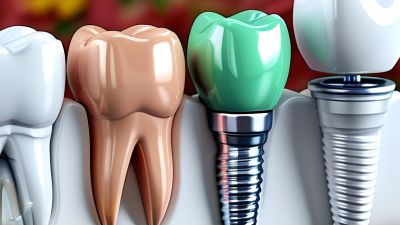
Dental Implant-Related Procedures Placement of dental implants and preparation of the jaw with procedures such as bone grafting or sinus augmentation when clinically appropriate. Tooth loss, inadequate jawbone volume, and selected defects affecting implant placement. Create stable support for replacement teeth and restore oral function.

Treatment depends on the diagnosis, overall health, symptoms, imaging findings, and the goals of care. Maxillofacial surgery may be performed alone or as part of a coordinated plan with dental, medical, and allied health professionals.

What Procedures Are Included in Maxillofacial Surgery?

Maxillofacial surgery covers procedures involving the mouth, jaw, face, and related structures.

The boundary is not always neat. Oral surgeons, ear, nose, and throat specialists, plastic surgeons, and dentists may share care. According to the World Health Organization’s Global Oral Health Status Report (2022), oral diseases affect nearly 3.5 billion people worldwide. Some patients need surgery after untreated infection, severe decay, or facial injury.

Common procedures include tooth removal, complex wisdom-tooth surgery, jaw fracture repair, and treatment of deep facial infections.

Surgeons may also remove cysts, benign tumors, or suspicious tissue for laboratory testing.

Orthognathic surgery corrects major jaw discrepancies that affect chewing, speech, breathing, or facial balance.

Reconstructive surgery can restore bone and soft tissue after trauma or disease. Cleft lip and palate repair, temporomandibular joint surgery, and selected dental implant procedures may also fall within this specialty.

Each operation requires a tailored assessment. Imaging can reveal hidden roots, nerve pathways, bone loss, or sinus involvement.

Treatment may involve local anesthesia, sedation, or general anesthesia in a hospital setting.

Recovery varies widely. Swelling, restricted mouth opening, and altered sensation can occur.

The risks are real, even when the procedure seems routine. Clinical pathways also differ between countries and hospitals, so patients should confirm the surgeon’s training, proposed technique, and follow-up plan.

How Is a Maxillofacial Surgery Planned and Performed?

Maxillofacial surgery begins with a careful map of the problem. The surgeon reviews symptoms, dental records, medicines, and previous operations. A physical examination checks facial symmetry, jaw movement, nerves, and the airway. Panoramic X-rays or cone-beam CT then show bone, teeth, sinuses, and hidden fractures. For complex cases, digital models can simulate bone cuts and implant positions. A 2022 systematic review found virtual planning improved surgical accuracy, although operating-time benefits remained inconsistent.

The plan also includes safety decisions. Blood tests may assess infection, anemia, or clotting risk. The team discusses anesthesia, expected swelling, nutrition, speech, scars, and possible nerve changes. Complex reconstruction may require a second surgical team and planned bone or tissue transfer. The World Health Organization reported in 2022 that nearly 3.5 billion people live with oral diseases, but that figure does not mean surgery is appropriate for everyone. Diagnosis must guide treatment.

During surgery, the patient receives general anesthesia in most major cases. The surgeon follows the approved plan, while adapting to real anatomy. Surgical guides, imaging, and navigation may improve precision, but they cannot replace judgment. Plates, screws, grafts, or fixation devices may restore structure. Recovery involves pain control, wound checks, a soft diet, and monitoring for infection or numbness. Plans can change unexpectedly. That uncertainty deserves honest discussion.

What Are the Risks and Recovery After Surgery?

Maxillofacial surgery treats conditions affecting the jaw, face, mouth, and surrounding structures. A qualified oral and maxillofacial surgeon may perform corrective jaw surgery, facial trauma repair, tumor removal, or reconstruction. Before surgery, the team usually reviews scans, medical history, medications, and anesthesia risks. This planning matters because facial nerves, blood vessels, teeth, and airways sit close together.

Risks vary with the procedure. Bleeding, infection, swelling, bruising, and pain are common concerns. Temporary numbness may affect the lip, chin, cheek, or tongue. In some cases, nerve changes last longer or become permanent. Patients may also experience limited mouth opening, bite changes, sinus problems, or delayed bone healing. Rare complications can involve anesthesia or breathing. Honest consent should include these possibilities, not only the expected benefits.

Recovery often begins with swelling that peaks during the first few days. Cold packs, prescribed medication, head elevation, and careful oral hygiene may help. Soft foods can be necessary for several weeks. Small steps matter. Follow-up visits allow the surgeon to check healing, bite alignment, wounds, and sensation. Increasing pain, fever, heavy bleeding, foul drainage, or breathing difficulty needs urgent medical advice. Healing is not always smooth, and recovery estimates can be too optimistic for some patients. Personal health, smoking, nutrition, surgery type, and emotional stress can all change the timeline.

Maxillofacial Surgery: Typical Recovery Milestones

Recovery varies according to the procedure, surgical site, age, and overall health. Swelling commonly peaks within 2–3 days, while soft-tissue healing and daily activities usually improve during the first 1–2 weeks. Bone healing may require several weeks to months. Possible risks include infection, bleeding, nerve disturbance, jaw stiffness, and delayed healing.